President Lyndon Johnson signed the Voting Rights Act into law on August 6, 1965, months after marchers were beaten on the Edmund Pettus Bridge in Selma, and in the years immediately after its passage, Black voter registration in the Deep South rose from single digits to majorities. Sixty-one years later, the statute remains on the books, but the machinery that made it work has been reshaped by court decisions and stalled legislation, and understanding that arc is now a civic necessity for anyone who cares about equal access to the ballot.
What did the original law actually do?
The Act's permanent core is Section 2, which prohibits any voting practice that discriminates on the basis of race, color, or language-minority status anywhere in the country. Its revolutionary element, though, was the coverage formula in Section 4 combined with the preapproval requirement in Section 5: jurisdictions with histories of discriminatory voting practices, mostly in the South, had to submit any change to election procedures to the U.S. Department of Justice or a federal court before it could take effect. This preclearance system blocked discriminatory rules before they could operate, rather than requiring voters to sue after the fact, and it is why the law is widely considered the most effective civil rights statute ever enacted. The Act also produced the elimination of literacy tests and, through later amendments, language assistance requirements that protected Native, Asian American, and Latino voters.
What happened in Shelby County?
In Shelby County v. Holder, decided in 2013, the Supreme Court invalidated the Section 4 coverage formula, holding that Congress had relied on decades-old data in reauthorizing it. The practical effect was to disable Section 5 preclearance: without a valid formula defining which jurisdictions are covered, none are, and the preapproval requirement became dormant. Justice Ruth Bader Ginsburg's dissent captured the stakes in a line that became famous: throwing out preclearance because it had worked was like throwing away your umbrella in a rainstorm because you were not getting wet. Within hours of the decision, states that had been covered began implementing changes, from voter ID laws to polling place consolidations, that would previously have required federal sign-off.
What came after?
Section 2 litigation became the main enforcement tool, and it is a slower, costlier instrument: voters must sue after a rule takes effect and prove discriminatory results, often over years of litigation. Landmark Section 2 cases have shaped redistricting, including Thornburg v. Gingles, which set the framework for vote-dilution claims, and Allen v. Milligan in 2023, in which the Court surprised observers by requiring Alabama to draw an additional district where Black voters could elect their candidate of choice. Congress has repeatedly tried and failed to restore preclearance: the John Lewis Voting Rights Advancement Act, named for the civil rights leader who was beaten at Selma and later represented Atlanta in Congress, would create a new coverage formula based on recent violations, but it has not advanced through the Senate, leaving Section 5 suspended indefinitely.
Why does this matter for communities now?
Because the burden of enforcement has shifted from the federal government to voters themselves. In the preclearance era, a discriminatory change died in a review office before an election; now it operates first and is litigated later, which means the harm happens while the case is pending. That burden falls unevenly: voters in communities with fewer legal resources, fewer local advocacy organizations, and less flexibility to navigate new ID requirements or distant polling places absorb the cost of every unreviewed change. Community groups have responded with their own infrastructure, hotlines, poll watching, registration drives, and litigation partnerships, and election protection networks now do work that a functioning Section 5 would have done administratively.
What should readers watch in the years ahead?
Three threads will decide the Act's next chapter. The first is litigation over Section 2's strength: the Supreme Court's 2021 decision in Brnovich v. DNC made some vote-denial claims harder to win by emphasizing the totality of circumstances, and future cases will clarify how much proof plaintiffs need. The second is redistricting, because the maps drawn after the 2020 census remain contested in court, and Allen v. Milligan showed that Section 2 still has teeth in districting cases even without preclearance. The third is Congress: reauthorization-style bills resurface in every session, and their fate determines whether the preapproval system stays suspended or returns in modernized form. Voters who follow those three threads will understand most voting-rights headlines before the headline explains itself.
How can readers mark the anniversary meaningfully?
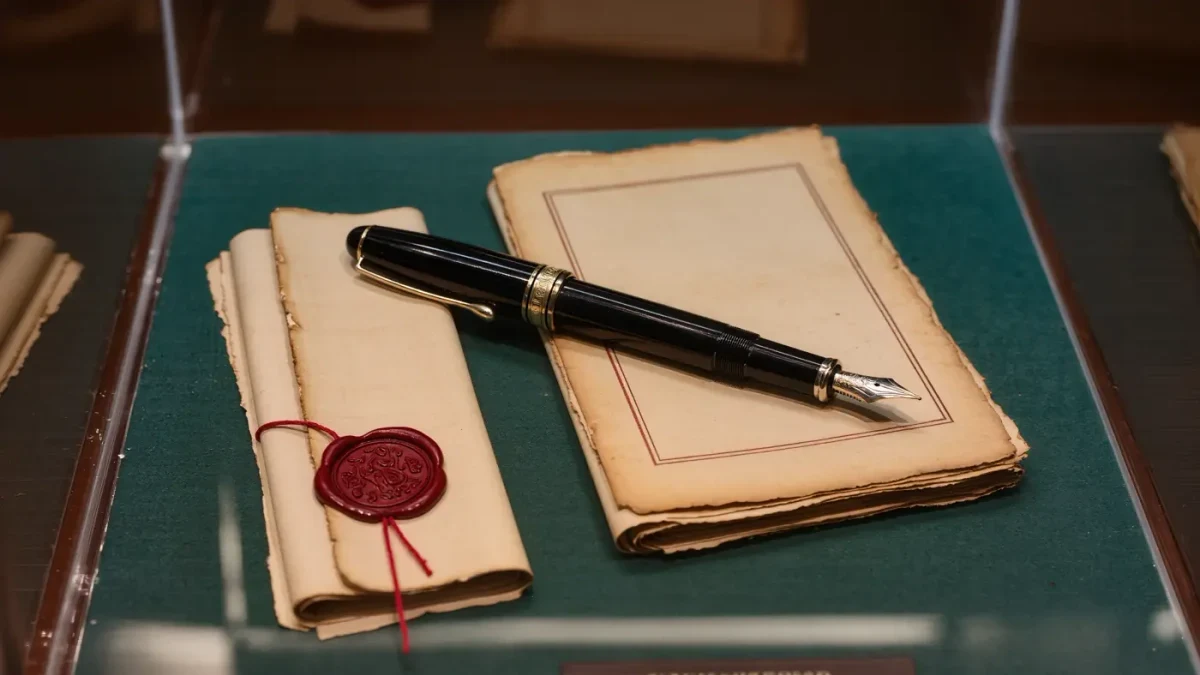
Three practical steps. Check your registration status and your state's current rules for ID, mail ballots, and early voting, since procedures change frequently in the post-Shelby era. Learn who runs elections in your county, because local election boards now make many of the decisions that preclearance once monitored. And support or volunteer with the nonpartisan election protection efforts that have become the de facto substitute for the review system the 1965 law created. The National Archives preserves the signed Act among America's milestone documents, a reminder that the right to vote has always needed defenders after the ink dried.