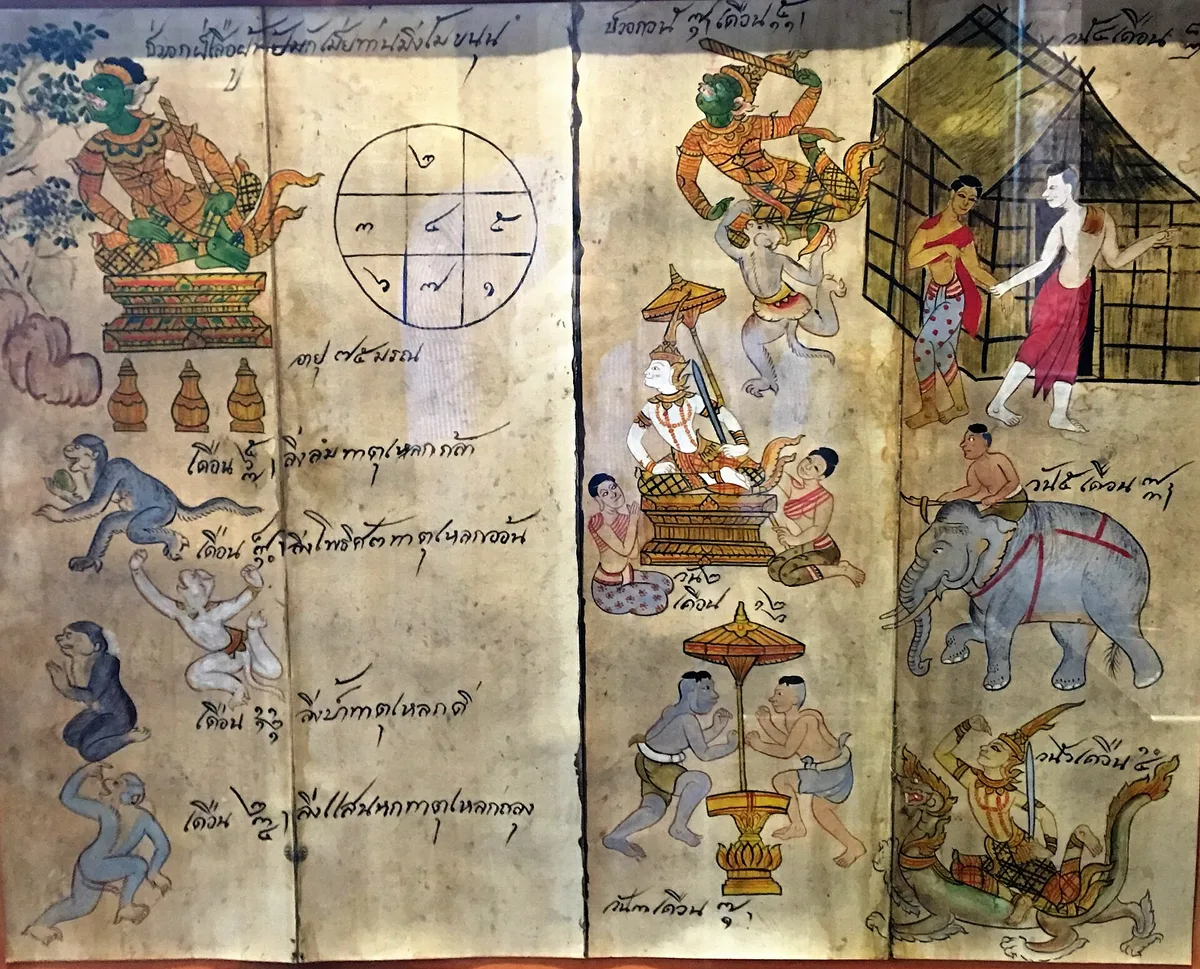
Astrology
What Is an Astrology Chart Really Telling You?
A chart is a snapshot of the sky at one moment. The reading is what you bring to it.
Astrology offers weekend readings written with warmth and without solemnity: weekly notes by sign, explanations of chart basics, and the meanings traditionally attached to lunar and planetary movement. Nothing here claims predictive authority. Written for readers who treat astrology as a pleasure and appreciate being addressed as adults.
Weekly star readings written for enjoyment rather than instruction, in clear language, with a sense of humor and no claim to predict anyone's future.
A chart is a snapshot of the sky at one moment. The reading is what you bring to it.

A gentle, step-by-step tour of the planets, signs, houses, and aspects — for entertainment and reflection, with no promises about your future.

The first ASLA SKILL | ED Firm Leadership Accelerator ended in Los Angeles. What an inaugural cohort of firm leaders says about how design careers actually move forward.

Three placements, one birthday, and no gatekeeping — a gentle way into the chart.

Astrology says the planet turns hostile three or four times a year. The sky says something much stranger, and much easier to explain.
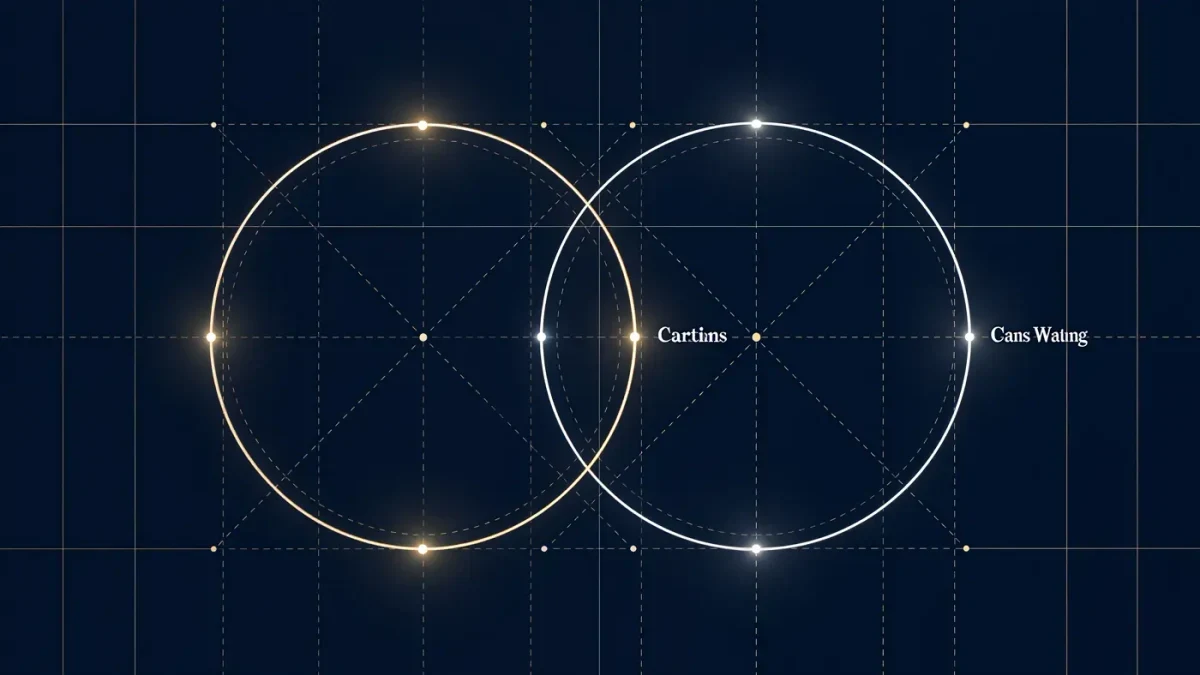
The lunar nodes are two invisible points where orbits cross, and astrology reads the pair as a compass: inherited comfort in one direction, growth in the other.