The current edition
Inclusion
Inclusion examines practice inside organizations: who gets hired and promoted, whether buildings and systems are usable by everyone, how schools handle difference, and which programs produce measurable change. Coverage credits what functions and identifies what exists only on paper. For people responsible for making institutions work better.
What inclusion looks like when practiced rather than announced: hiring and promotion patterns, accessible buildings, school policy, failing programs.
Inclusion
What Inclusion Actually Means, Beyond the Buzzword
Diversity is who is in the room. Equity is how the room is resourced. Inclusion is whether anyone in it gets heard — and the difference shows up in ramps, meeting times and who speaks last.
By Imani BrooksOctober 2, 2026
Inclusion
Inclusive Housing Explained: How Mixed-Income Neighborhoods Work
What inclusionary housing rules ask builders to do, what renters and buyers get, and where the trade-offs sit.
By Devon ClarkeOctober 1, 2026
Inclusion
What the Respect for Marriage Act Actually Protects — and What It Doesn't
The 2022 federal law protects recognized marriages across state lines, but it does not force states to perform them — the distinction is the law.
By Devon ClarkeAugust 28, 2026
Inclusion
The Hiring Credit for Veterans and Job Seekers With Records Just Lapsed
The Work Opportunity Tax Credit has paid employers to hire veterans, people with disabilities, and workers with felony records for decades. As of January 1, 2026, it's in limbo — here's what still works.
By Devon ClarkeAugust 18, 2026
Inclusion
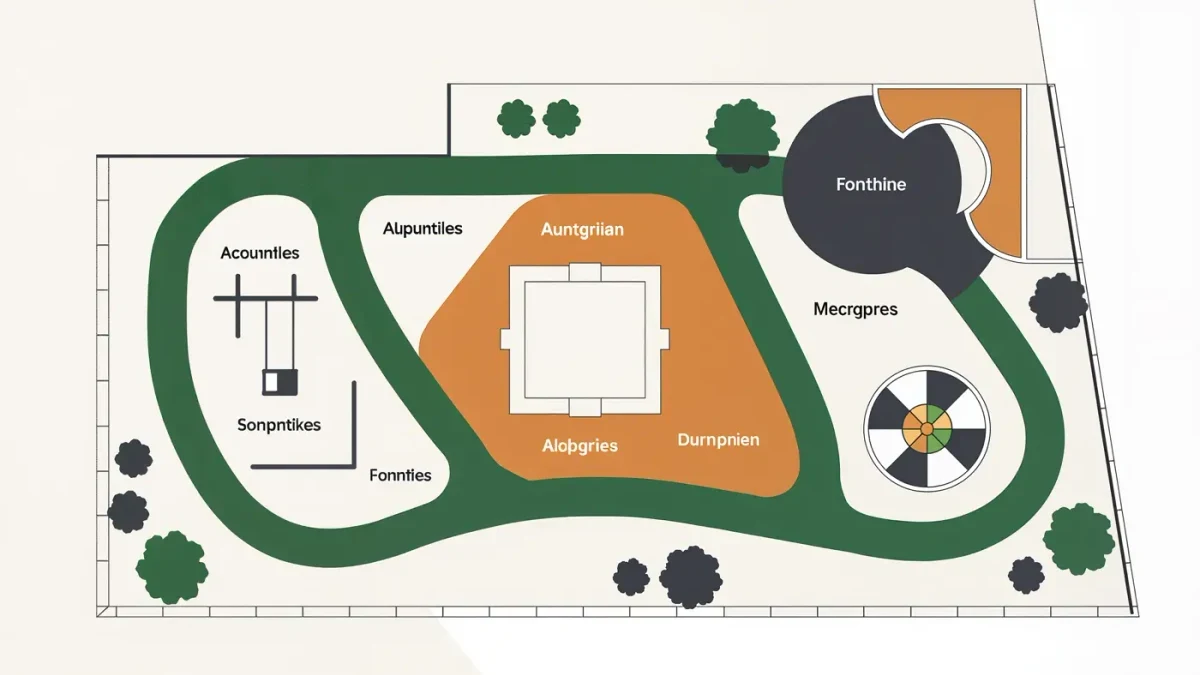
Inclusive Playgrounds: The Design Features That Actually Get Used
Beyond the legal minimum of ramps and surfacing, the playgrounds that work share a specific, learnable set of features — and the kids vote with their feet.
By Devon ClarkeAugust 10, 2026
Inclusion
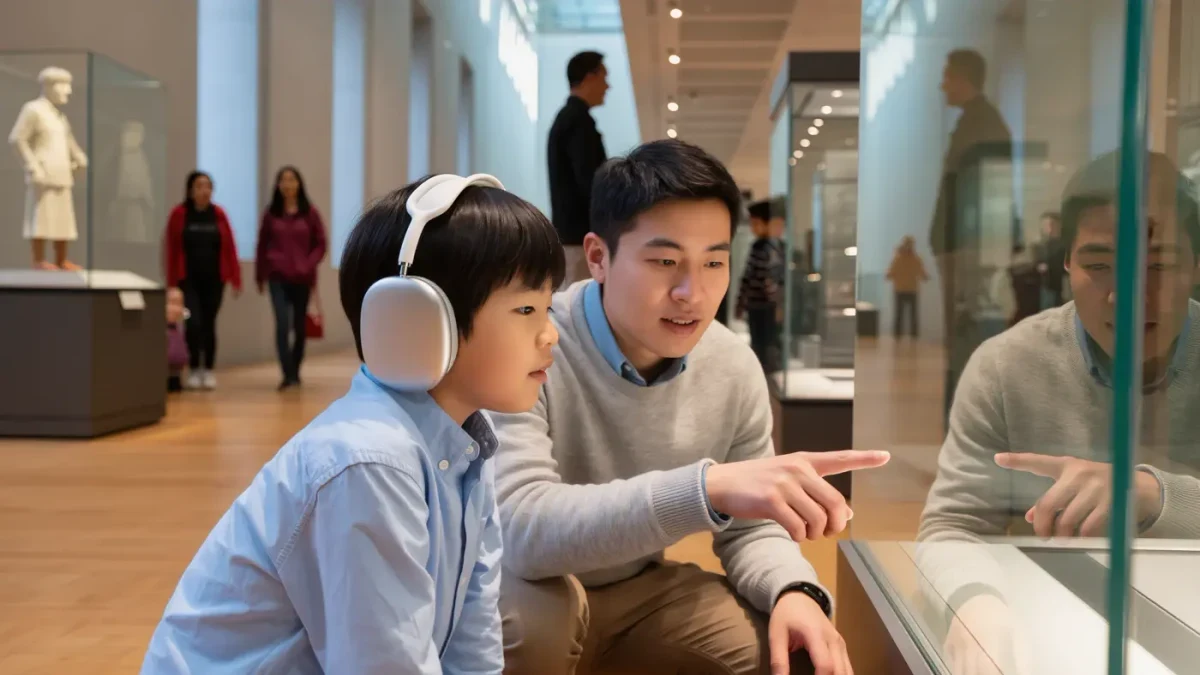
What an Autism-Friendly Museum Visit Actually Looks Like
Early hours, quiet rooms, story-driven guides and staff who do not stare — the model is spreading through American museums, one Saturday morning at a time.
By Imani BrooksJune 29, 2026