Stories
Hilton Picks Kyoto for Its First Motto in Japan — and That Choice Says a Lot
A 108-room hotel opening in 2029 is a small number with a big story behind it: where one global brand thinks travelers want to stay next.
Stories publishes first-person essays and extended profiles: accounts of identity, family, work, migration and change, written by the people who lived them or reported with their full participation. Subjects review quotes before publication. Intended for readers who prefer one specific account over a summary of many.
Personal essays and long profiles published with the writer's consent at every stage, covering identity, family, work and turning points.
A 108-room hotel opening in 2029 is a small number with a big story behind it: where one global brand thinks travelers want to stay next.
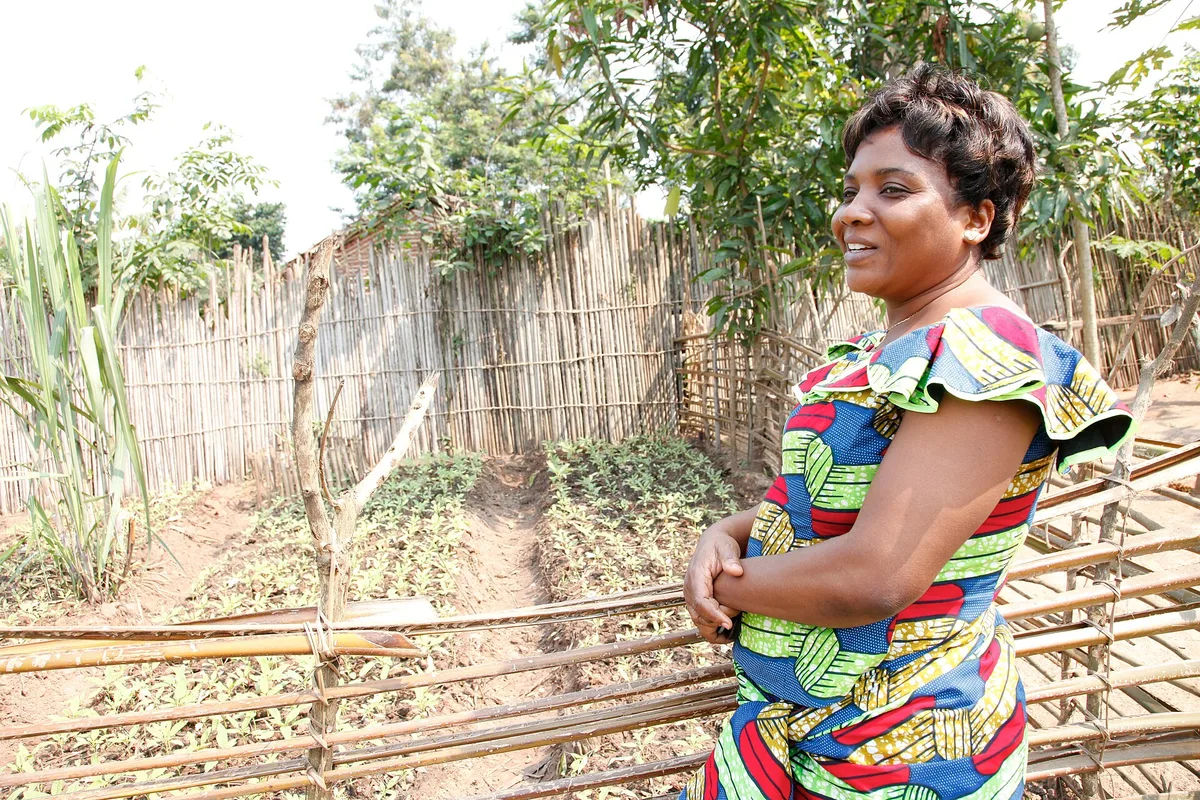
Ordinary women, plain actions, and the local changes that followed — how to read these stories, and what they share.
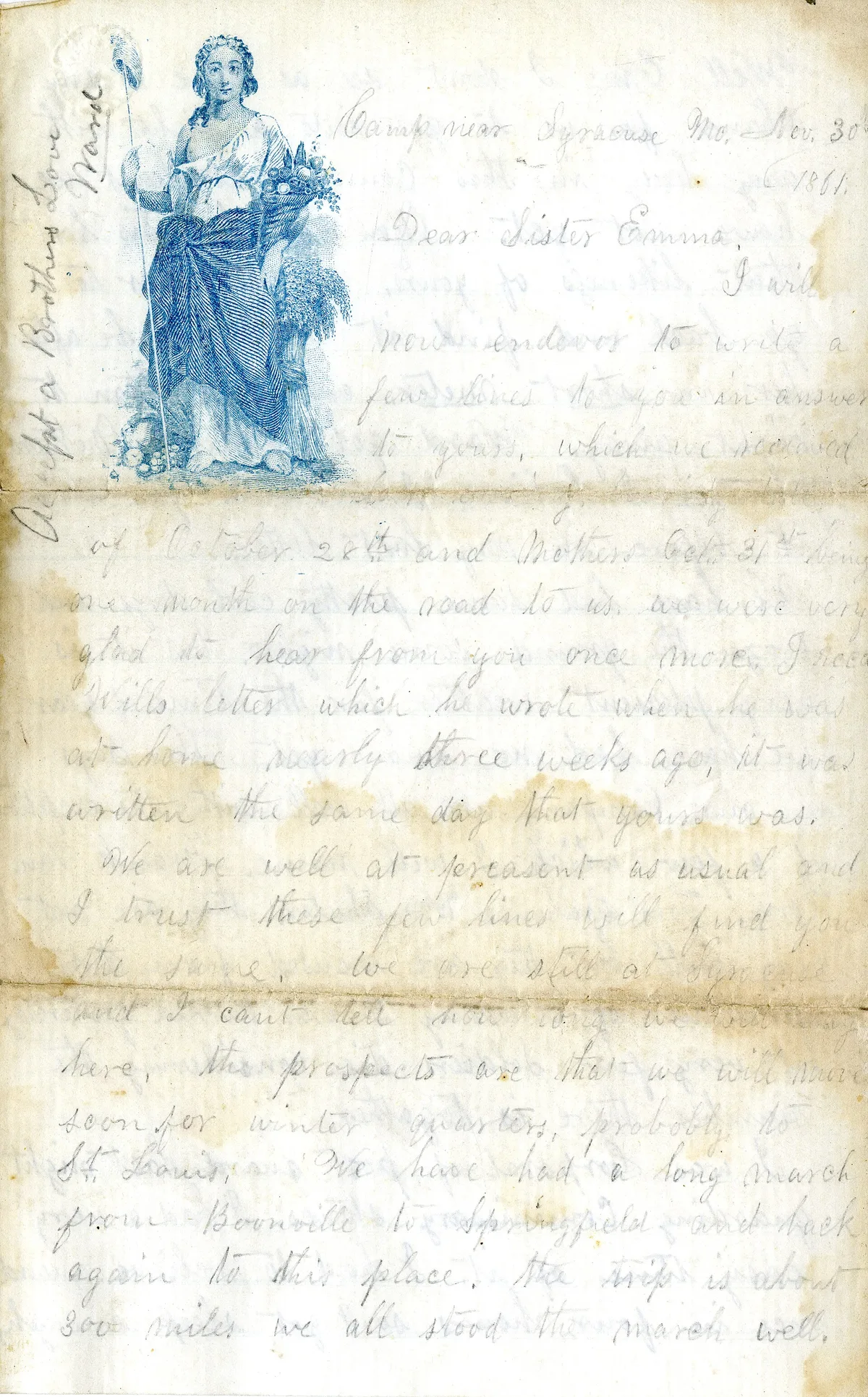
Why the first characters we ever meet — the ones sharing a bedroom and the back seat — become the stories we write down.

Federal law doesn't require a magic phrase to trigger a disability accommodation at work — just a plain request. Here's what the process actually looks like, and where it can still break down.

SAGE, founded in 1978 and now the country's oldest and largest LGBTQ+ elder organization, opened the nation's first municipally funded LGBTQ senior center in New York.

Starbucks' first U.S. Signing Store, opened near Gallaudet University in 2018, made American Sign Language the working language of a business — and a neighborhood meeting place.