Society
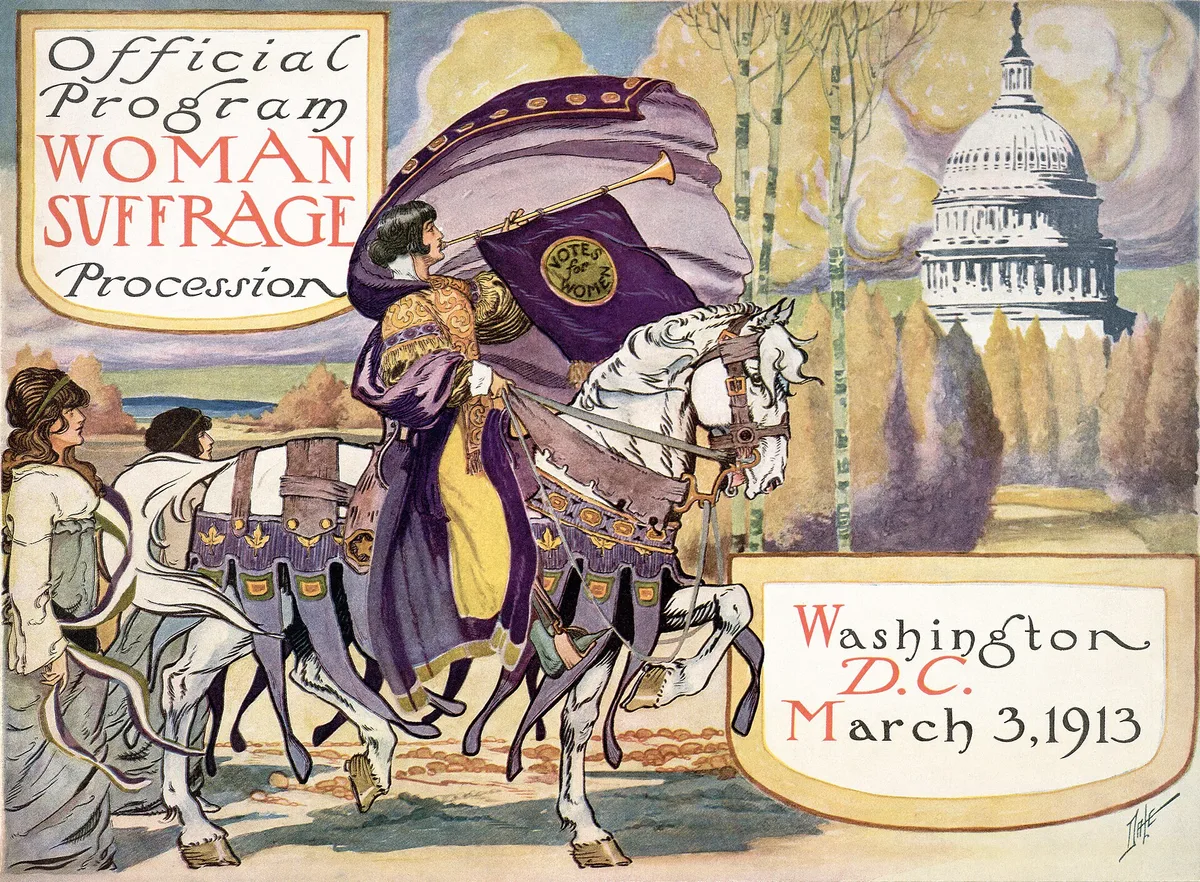
The Women Who Carried Suffrage — and Rarely Got the Statue
The monument names are familiar. The movement that won the vote was crowded with people history filed away.
Society covers the conditions shaping belonging: what housing costs and who gets displaced, how families are formed and supported, the place of faith in public life, and the expectations people carry from where they grew up. Written through individuals rather than trend pieces, for readers curious about their neighbors.
Reporting on the conditions deciding who feels at home somewhere: housing costs, family structures, religious life and shifting social expectations.
The monument names are familiar. The movement that won the vote was crowded with people history filed away.
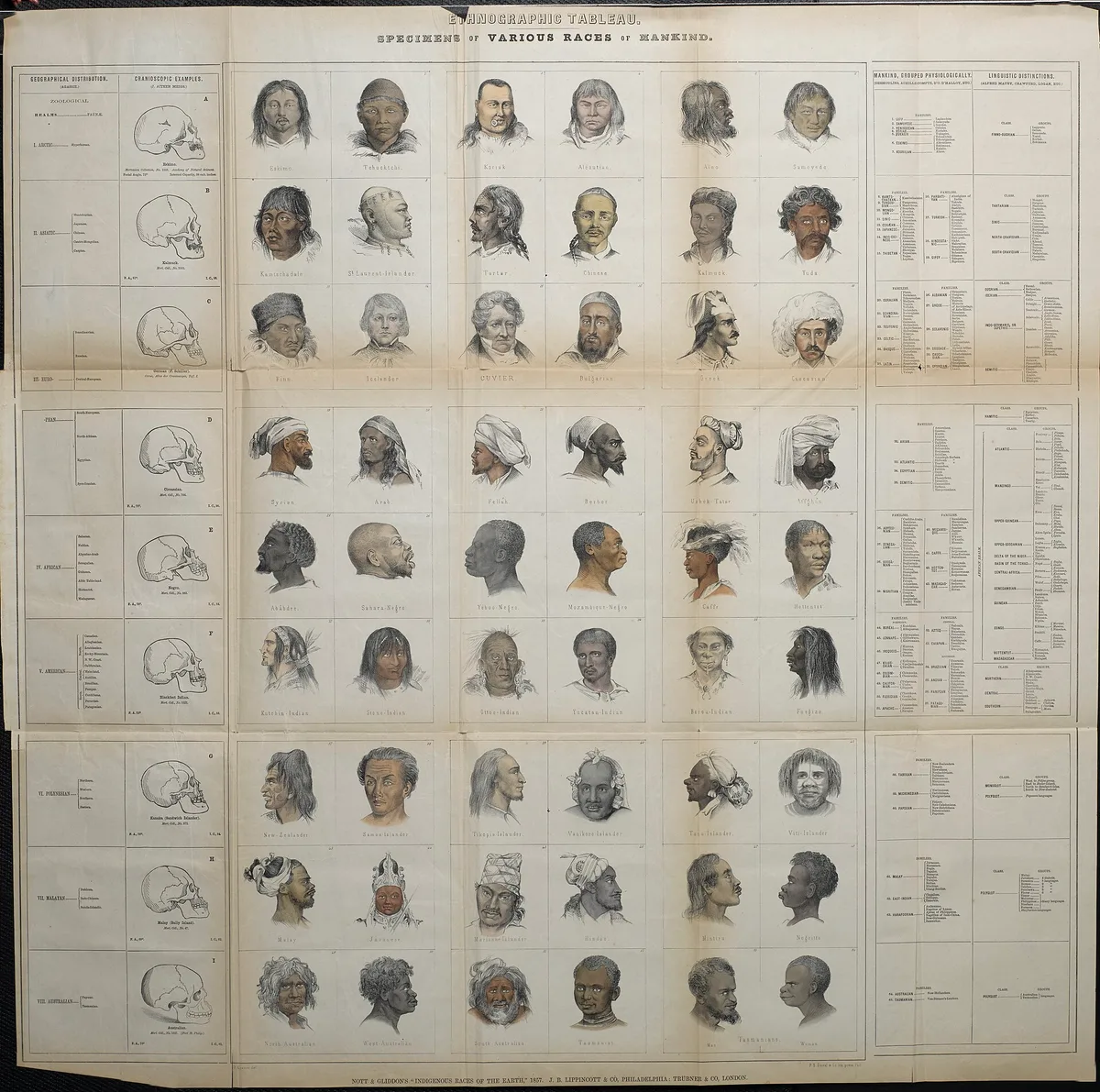
A book celebration in a chapel once touched by slavery is a good moment to ask what Western science actually built with the idea of race.

Federal law requires employers to adjust schedules, dress codes, and workplaces for religious practice — unless it costs them more than a little.
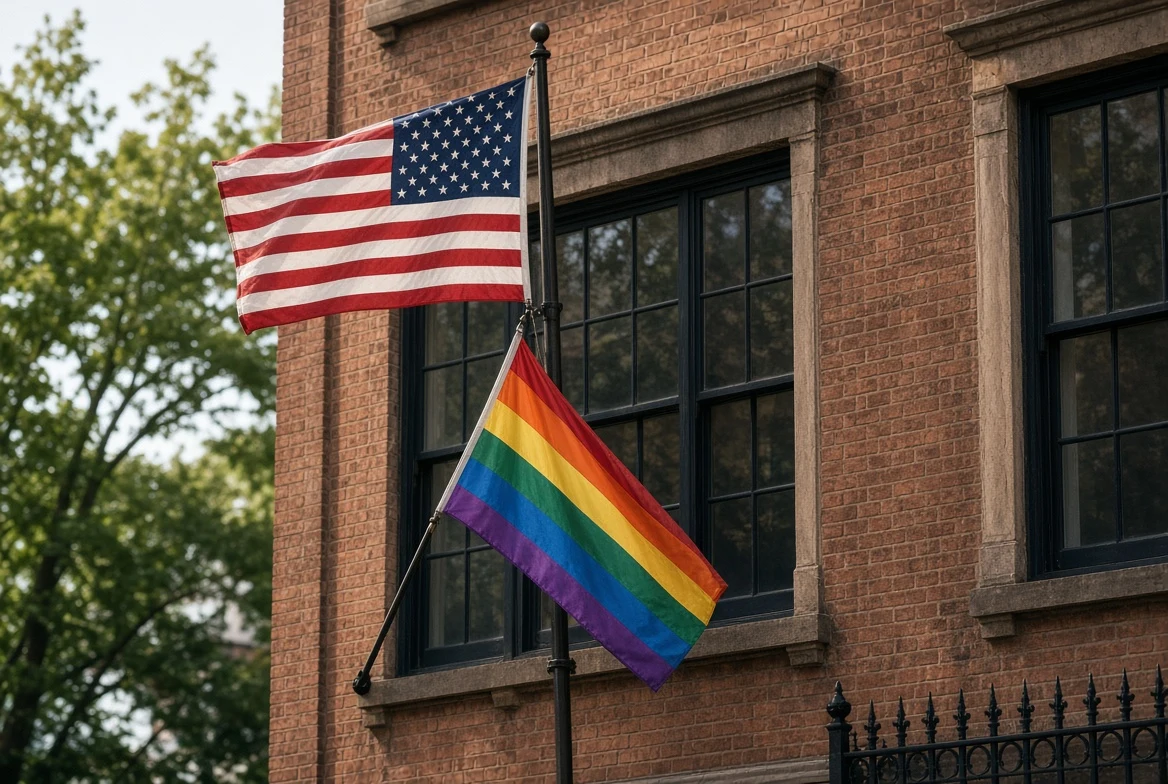
A removal, a lawsuit, and a spring settlement explain how one flagpole at Stonewall National Monument became a test of federal policy — and why the flag's return came from a court filing, not a change of heart.
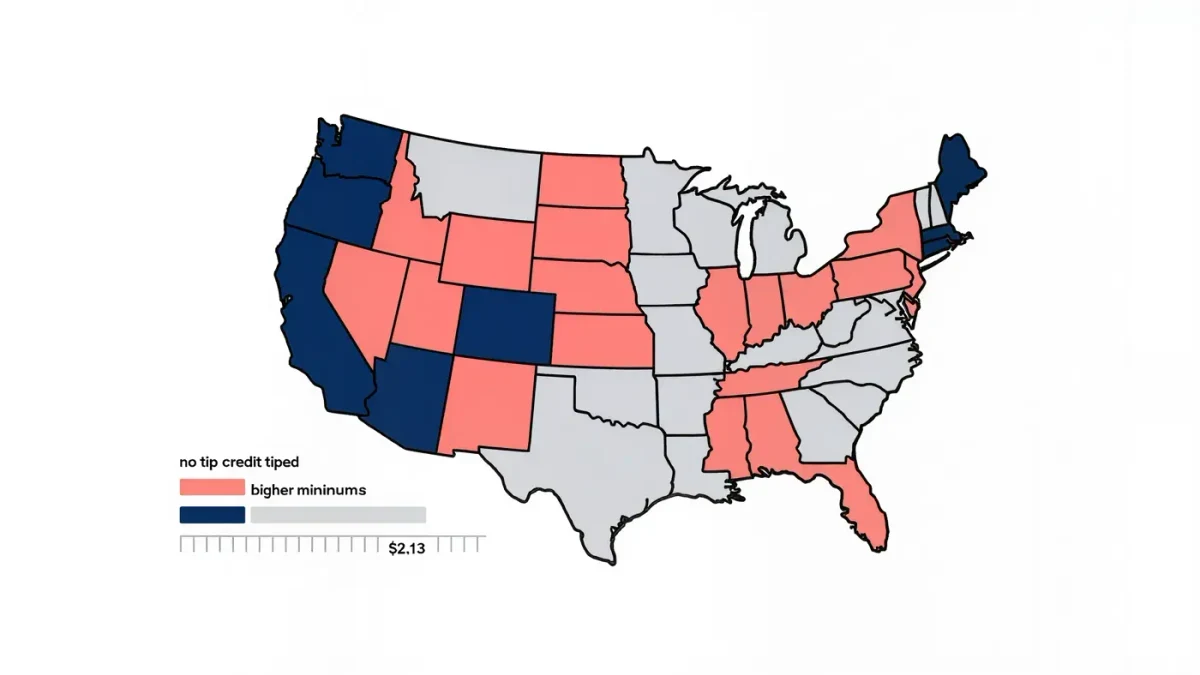
The federal tipped minimum has sat at $2.13 since 1991, while a patchwork of state rules decides what a server actually earns before tips.
Court filing fees, newspaper notices, certified copies — the price of a new legal name varies by state, and the surprise costs add up fastest.