There is a moment in late autumn when someone at a dinner table asks, wait, what sign are you again? The dates blur. Scorpio slides into Sagittarius somewhere around the twenty-second of November, and nobody at the table is quite sure. This guide exists for that moment: the twelve zodiac signs, their calendar dates, and the traits people most often ask about, in plain language.
One thing worth knowing before the list: the dates are approximate. The sun's shift from one sign to the next drifts by a day here or there depending on the year, so people born on a boundary day, the so-called cusp, may need a birth chart to know their sign for certain. Think of the dates below as the season's usual window, not a hard gate.
It is also worth being precise about what "every" means here. According to The Free Dictionary, "every" means each member of a group without exception, and that is the spirit of this piece: every sign gets its dates and its description, no favorites, no omissions.
When does each sign start and end?
The zodiac year begins with Aries at the spring equinox and moves forward from there. Here is the full calendar, in order.
- Aries — March 21 to April 19. The first sign, associated with initiative, directness, and a taste for starting things.
- Taurus — April 20 to May 20. Linked with steadiness, comfort, and a patient, sensory approach to life.
- Gemini — May 21 to June 20. Known for curiosity, talkativeness, and quick shifts of attention.
- Cancer — June 21 to July 22. Associated with care, home, memory, and protective feeling.
- Leo — July 23 to August 22. Linked with warmth, expressiveness, and a generous streak.
- Virgo — August 23 to September 22. Known for attention to detail, practicality, and quiet helpfulness.
- Libra — September 23 to October 22. Associated with balance, fairness, and a love of harmony.
- Scorpio — October 23 to November 21. Linked with depth, intensity, and loyalty that runs long.
- Sagittarius — November 22 to December 21. Known for optimism, humor, and a restless interest in the wider world.
- Capricorn — December 22 to January 19. Associated with discipline, ambition, and dry wit.
- Aquarius — January 20 to February 18. Linked with independence, big ideas, and group-minded thinking.
- Pisces — February 19 to March 20. Known for imagination, empathy, and a dreamy, fluid quality.
Notice the pattern in the dates: each sign runs roughly four weeks, and each begins within a day or two of the last one ending. That rhythm is what makes the seasons feel distinct in the tradition.
Why do the dates shift slightly from year to year?
The zodiac is tied to the sun's path against the sky, and the calendar we use does not divide that path into perfectly equal days. A leap year, or the small corrections calendars make to stay aligned with the seasons, can nudge a sign's start date by a day. That is why some years a sign begins on the twentieth and other years on the twenty-first or twenty-second.
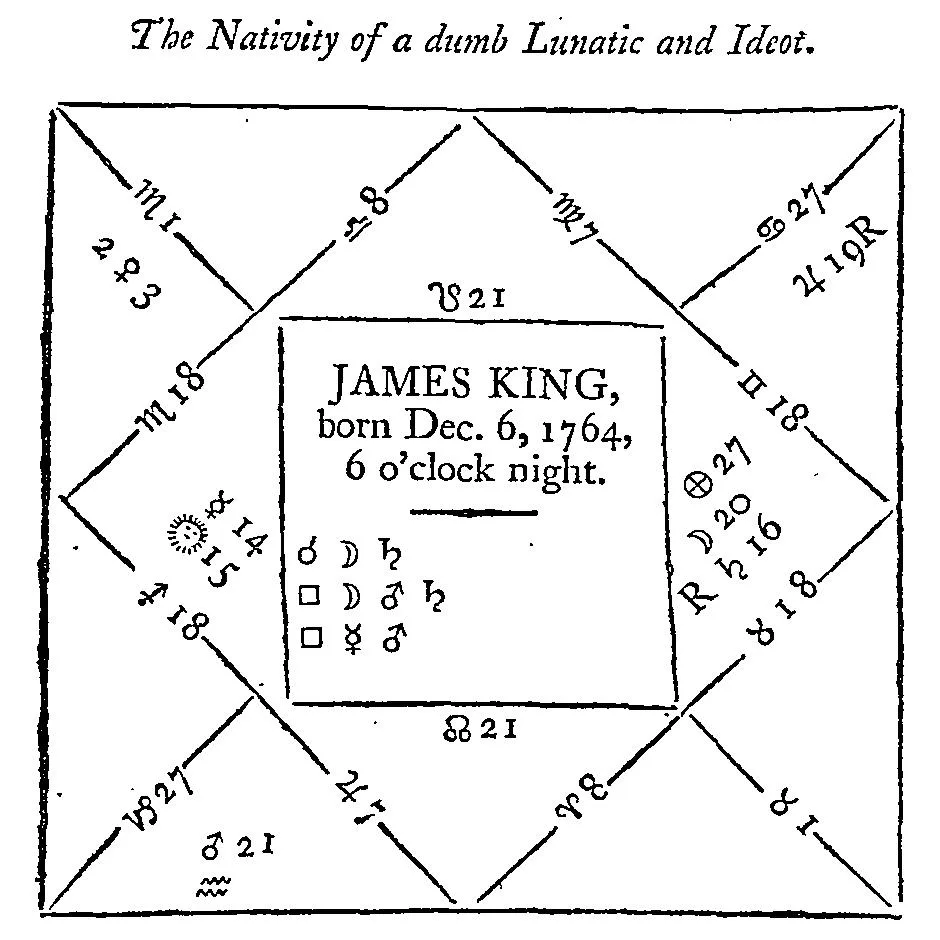
For most people this never matters. But if you were born on one of the boundary days, the honest answer to "what's your sign?" is: check a chart calculated for your exact birth date, time, and place. Our walkthrough of how to read your birth chart covers how that works without the jargon.
What are the four elements, and why do they matter?
The twelve signs are traditionally grouped into four elements, and this grouping explains a lot of the trait language people ask about.
- Fire — Aries, Leo, Sagittarius. Described as warm, quick, and expressive.
- Earth — Taurus, Virgo, Capricorn. Described as practical, steady, and grounded.
- Air — Gemini, Libra, Aquarius. Described as social, idea-driven, and communicative.
- Water — Cancer, Scorpio, Pisces. Described as feeling-led, intuitive, and private.
When someone says a sign "feels like" its season, the element is often doing the work. Fire seasons are said to carry momentum. Earth seasons favor routine. Air seasons favor conversation. Water seasons favor reflection. None of this is a prediction; it is the tradition's own symbolic vocabulary, and it reads more like weather than like fate.
What about the qualities people actually ask about?
Beyond the elements, each sign carries a handful of trait associations that come up constantly in conversation. A few examples, offered as the tradition describes them rather than as fact.
Gemini is the sign people ask about when they mean chattiness. Cancer is the one people mean when they ask who keeps the group photo album. Capricorn comes up whenever someone jokes about a friend who plans vacations in a spreadsheet. Pisces is the dreamer of the set, and Aquarius the contrarian. Leo gets the reputation for loving an audience, and Virgo for noticing the typo nobody else saw.
These are shorthand, and shorthand is fine as long as everyone knows it is shorthand. Real people are more complicated than twelve categories, which is exactly why astrologers look at a whole chart, moon sign, rising sign, and all, rather than the sun sign alone. Our piece on what your moon sign says about your inner weather is a good next step if the sun sign alone never quite fit.
What this means for cusp birthdays
If your birthday falls on the first or last day of a sign's window, you may see different dates listed in different places, and both can be right for different years. The practical move is simple: look up a chart for your birth year rather than arguing from a generic list. The boundary days are also, in the tradition's own framing, a feature rather than a problem. A person born as one season hands off to the next is often described as carrying a blend of both neighboring signs' flavors.
There is no need to treat any of this as a test you can pass or fail. The dates are a calendar. The traits are a language. Used lightly, they give friends a shared way to talk about temperament, and that is genuinely useful even for people who believe none of it.
A closing note on using this guide
Keep the list handy for dinner-table emergencies, birthday cards, and the annual question of which season you were born into. If the reference sparks a deeper curiosity, the tradition has more rooms than the sun-sign hallway: compatibility, retrogrades, eclipse seasons, and the rest. Our overview of astrology for beginners maps the territory without the jargon, and the astrology section here collects the rest of the series. We covered a connected angle in Astrology for Beginners: Where to Start Without the Jargon.
The evidence for what the signs are said to mean is the tradition itself, not measurement, and this guide treats it that way: dates are calendar facts, traits are symbolic description, and neither predicts a future. Read it for pleasure, borrow the vocabulary, and let the seasons be a way of marking time rather than a verdict on anyone.