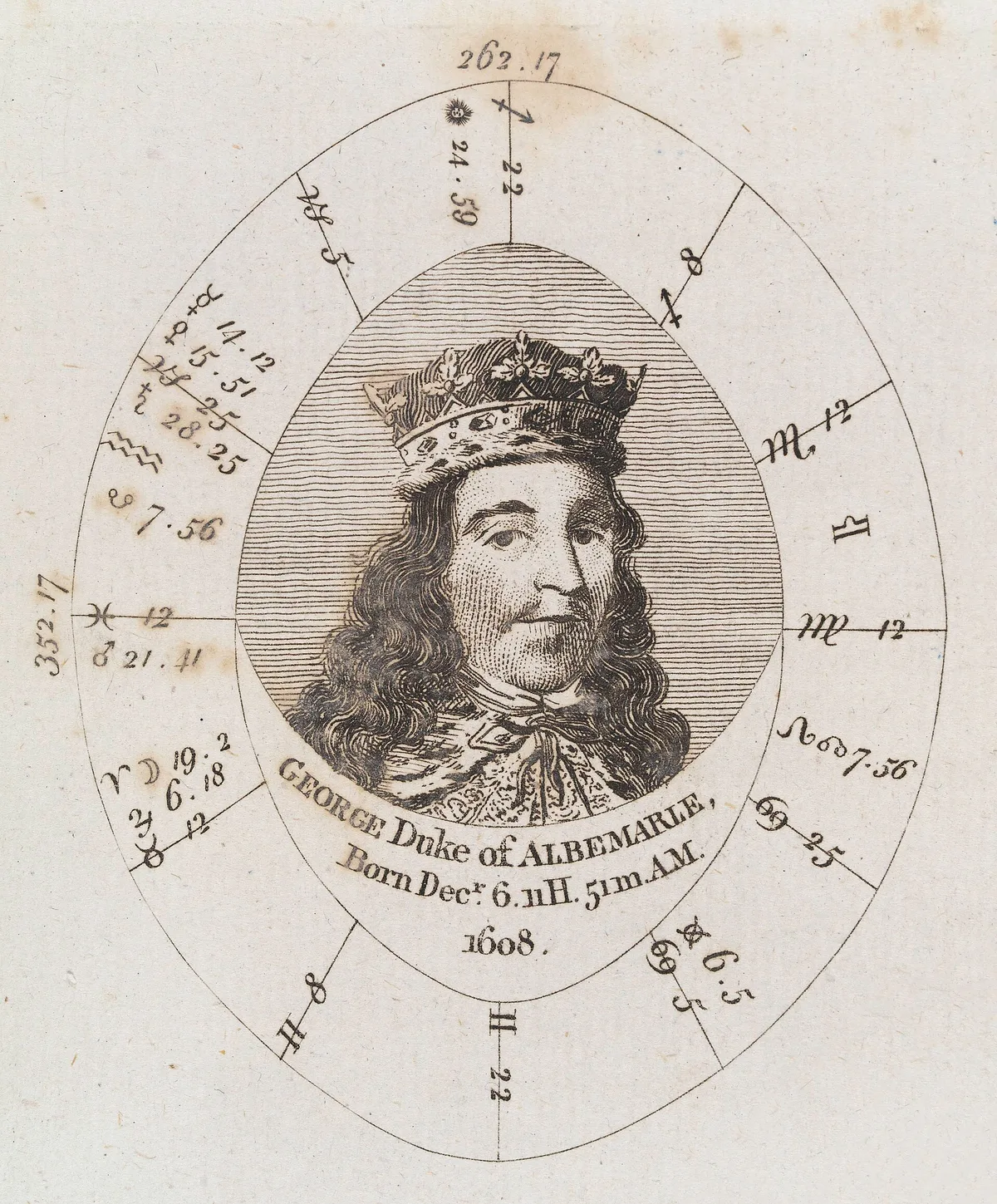
Synastry is the branch of astrology that compares two birth charts to describe, in symbolic terms, how two people affect each other. Practitioners overlay the two wheels and study where one person's planets land in the other's houses and what angles they form to the other's planets. The result is read as a map of the relationship's weather: where it flows, where it snags, and what each person tends to bring out in the other. It is a technique of tradition, not a science of compatibility.
Astrology is an entertainment tradition, not a science; Equality Weekender publishes it as lifestyle content, not prediction or advice.
What exactly gets compared in a synastry reading?
Three layers, classically. First, contacts between planets: one person's Venus on the other's moon, one person's Saturn pressing on the other's sun. Second, house placements, where your planets fall in the other person's twelve life departments, so that your Jupiter landing in their career house is read as you enlarging their ambitions. Third, the composite reading of each chart's overall temperament, sometimes supplemented by a midpoint chart called the composite chart, treated as the relationship's own horoscope. Astrologers weigh all of it before hazarding a sentence about the pair.
Which aspects are read as the famous ones?
- Sun-moon contacts are the classic marriage signature in the tradition: one person's conscious self feeding the other's emotional needs.
- Venus-Mars contacts are read as the attraction channel, the spark and the chase of early romance.
- Moon-moon contacts are read as domestic weather, the sign of whether two people's habits and moods can share a kitchen.
- Saturn contacts get mixed reviews: glue in small doses, read as commitment and durability; weight in excess, read as one person becoming the other's ceiling.
What are the so-called difficult contacts?
The tradition flags hard angles, squares and oppositions, between Mars and Venus or Saturn and the moon, as friction points, read as recurring arguments with a fixed script. Astrologers hasten to add that friction in synastry is not a verdict: challenging contacts are also described as the source of magnetism and growth, the reason some placid pairings bore their participants while difficult ones fascinate them for decades. In the tradition's own accounting, an easy chart with no squares is read as pleasant and inert, while a spiky one is read as alive, which conveniently keeps every outcome interpretable.
Can synastry predict whether a couple will last?
No, and honest practitioners say so. Studies that have tested astrological matching against real relationship outcomes have found no reliable connection, and astrologers themselves frame synastry as description, not forecast. What the technique offers is a shared vocabulary: a structured way for two people to discuss differences they have already noticed. A reading that names one partner's Mercury opposite the other's, and then describes their arguments as two broadcasting styles talking past each other, can prompt a genuinely useful conversation. The astronomy placing those planets is exact; the inference from planets to marriage is folklore.
How do people use synastry for fun?
The modern version is lightweight: run both charts through a calculator app over breakfast, read the strongest contacts aloud, and argue about which sentences fit. Some people check synastry with friends, siblings, or colleagues, since the technique predates its romantic monopoly by many centuries and was historically used to assess patrons, rivals, and even the charts of kings against their coronation moments. Treating it as a party game with occasional insight is the healthiest posture. The moment a red square in a report starts overriding what you actually experience with someone, the tool has been promoted above its pay grade.
What is the sanest takeaway?
That synastry is a mirror arranged for two. Its real subject is not the planets but the space between people, which is genuinely hard to talk about and benefits from almost any structured prompt. If comparing charts gets a couple laughing about their differences instead of litigating them, the tradition has done its entertainment job. Compatibility, in every sense that matters, is built by choices the sky never makes.