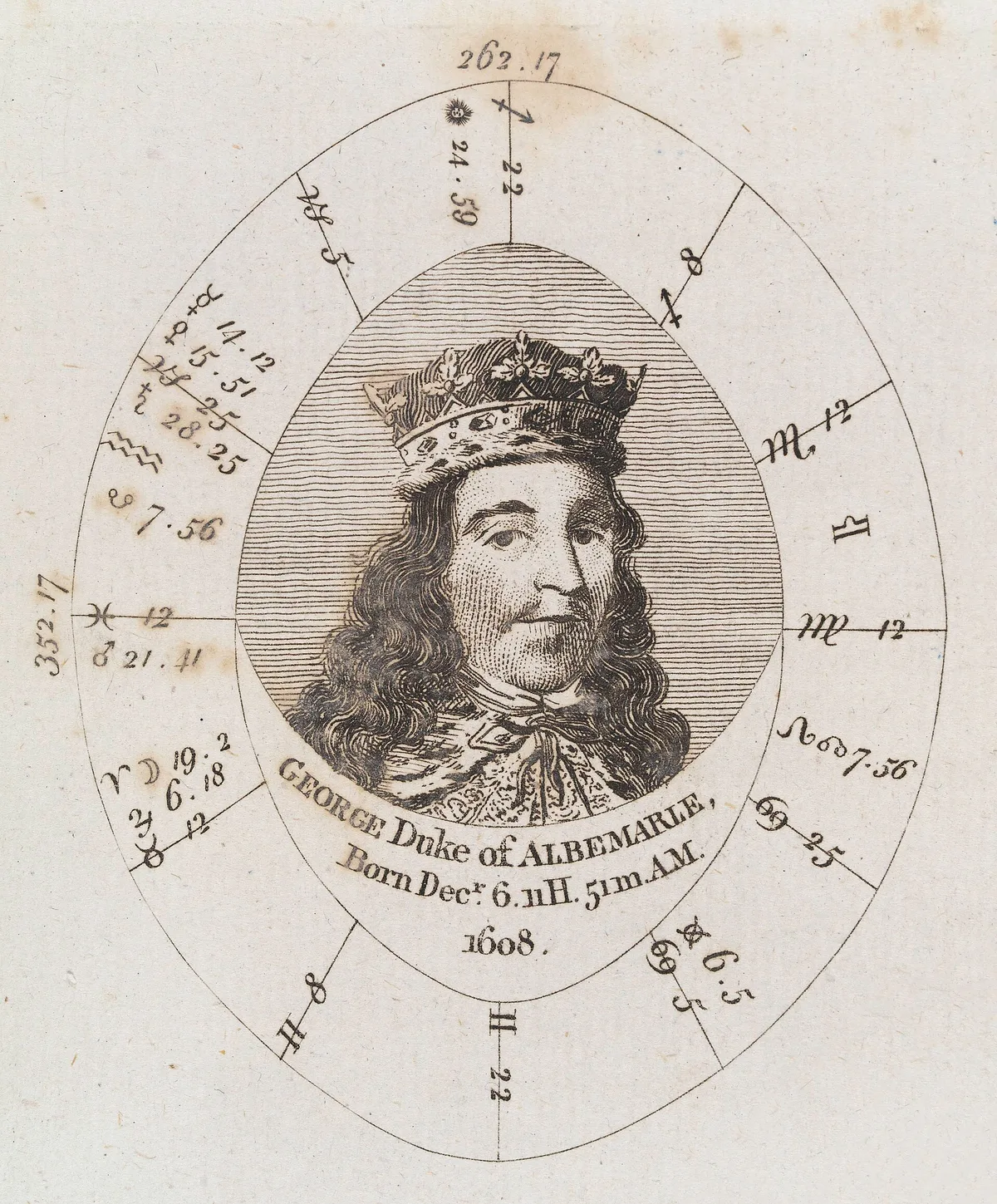
A birth chart is a snapshot of the sky at the moment you were born, and reading it is a skill you can learn the way you learn any new language. This walkthrough is written for enjoyment and reflection, not prediction. Nothing in your chart decides anything about your money, health, or love life — it simply offers a set of symbols to think with.
The good news is that you do not need to memorize anything before you start. You need three things: your birth date, your birth time, and your birth place. With those, any free chart calculator can draw the wheel for you. After that, reading becomes a matter of looking at one piece at a time, which is exactly what we will do here.
There is a useful way to think about what "reading" means in the first place. Merriam-Webster defines reading as receiving or taking in the sense of symbols, and also as interpreting the significance of something — the way a golfer reads a green. That second sense is the one that fits a birth chart. You are not decoding a verdict. You are noticing patterns and asking what they might mean, the way you might read weather in a sky.
What exactly is a birth chart?
A birth chart — sometimes called a natal chart — is a circular map of where the Sun, Moon, and planets sat against the zodiac when you were born, as seen from your birthplace. The zodiac is the band of sky the planets appear to travel through, divided into twelve signs. The chart also marks the horizon and the houses, which we will get to shortly.
Think of it as a photograph, not a forecast. The chart captures a moment. The tradition treats that moment as symbolically meaningful, much the way a family photo captures something true about a day without scripting the rest of the year. If the idea of symbols feels vague, our earlier piece on what a birth chart actually maps covers the three most-mentioned placements in plain language. For related coverage, see What a Birth Chart Actually Maps, In Three Placements.
One honest note before we begin: astrology and astronomy parted ways long ago, and the boundary between them matters to some readers. If that question is on your mind, we have a separate piece on astrology versus astronomy and where the boundary sits.
How do I actually get my chart?
Start with your birth certificate, a baby book, or a relative with a good memory. The date is usually easy. The time matters most, because it sets the rising sign and the layout of the houses. The place matters too, because the chart is drawn from a specific spot on Earth.
Once you have those three details, enter them into a reputable free chart calculator. It will produce a wheel: a circle divided into twelve segments, with glyph symbols scattered around it. Do not worry if the wheel looks like a clock designed by a poet. Everyone's first chart does.
Print it or save it. You will want to scribble on it. That is part of the pleasure — a chart is something you grow into, not something you master in an afternoon.
Where should a first-time reader start?
Start with the big three: Sun, Moon, and rising sign. These are the placements most people mean when they talk about a chart, and they give you the quickest feel for how the whole thing works.
- Sun sign: the sign the Sun was in on your birthday. In the tradition, this is read as the core self, the broad strokeshape of a personality.
- Moon sign: the sign the Moon occupied. This is read as inner weather — moods, comfort, what makes a person feel safe. We have a whole piece on what your moon sign says about your inner weather.
- Rising sign: the sign coming over the horizon at your birth time. It is read as the front door — the first impression a person gives. The rising sign versus sun sign comparison untangles the two.
A practical tip: read all three as a set. A quiet Sun with a loud rising sign tells a more interesting story than either one alone. The tradition works by combination, not by single labels.
What are the planets, and what do they stand for?
Each planet in the chart is read as a different part of life. Think of them as characters in an ensemble cast. The Sun and Moon, as above, cover the self and its tides. Mercury is read as communication and thinking. Venus as affection and what a person finds beautiful. Mars as drive and energy.
The slower planets carry broader themes. Jupiter is read as growth and luck's cousin, generosity. Saturn as structure, limits, and the lessons that take years — the Saturn return piece explains why grown-ups talk about it with a shiver. Uranus, Neptune, and Pluto move slowly enough that they are read as generational markers, themes shared by whole cohorts rather than private traits.
For a first read, you only need to find each planet's sign. Ask one question per planet: which sign is it in, and what does that sign's flavor suggest for that part of life? Write your answers down. You are building your own glossary, which is what every chart reader eventually does.
What are the twelve houses?
If planets are the characters, houses are the rooms they sit in. The chart wheel is divided into twelve houses, and each house is read as a domain of life: identity, money, communication, home, romance, work, partnership, and so on around the wheel.
The first house begins at the rising sign, which is why your birth time matters so much. A planet in the fourth house is read through the lens of home and family. A planet in the seventh, through partnership. A planet in the tenth, through public life and work. The sign tells you how; the house tells you where.
A simple exercise: find your Venus. Note its sign, then its house. Something like "Venus in Pisces in the fifth house" becomes a sentence you can sit with — affection expressed with imagination, showing up in the domain of creativity and play. Whether that rings true is for you to decide. That is the whole game: the chart proposes, you dispose.
What are aspects, and do I need them yet?
Aspects are the angles between planets on the wheel. When two planets sit a meaningful number of degrees apart — a soft angle or a tense one — the tradition reads them as being in conversation. Some conversations flow easily; some argue.
Here is the reassurance: you do not need aspects on day one. They are the second layer. Learn the planets, the signs, and the houses first. When you are ready, look for the lines your chart software draws between planets, and start with the closest, most obvious pair. One conversation at a time.
If you get curious about comparing charts with someone else's, that is a separate practice called synastry, and it has its own walkthrough in our piece on how chart comparison is supposed to work. The same caution applies there: symbols, not verdicts.
What this means for your first reading
Our analysis of the tradition's basics comes down to this: a birth chart rewards a slow, personal reading more than a fast, authoritative one. You are the interpreter. The wheel is a mirror with unusual angles, and what you see in it says as much about where you are looking as where the planets were.
So take it gently. One evening for the big three. Another for Venus and Mars. A rainy Sunday for the houses. If you want a friendlier on-ramp before any of this, our beginner's guide to astrology without the jargon starts even softer, and the astrology section collects the whole series.
And keep the frame honest: this is a symbolic practice, enjoyed for reflection, not a science and not a prophecy. Read your chart the way you would read a poem — curiously, skeptically when needed, and always on your own terms.