Venus retrograde is the roughly six-week period when the planet Venus appears to move backward through the zodiac from our viewpoint on Earth. In astrological tradition, Venus governs love, affection, beauty, and value, so its backward dance is read as a time when those themes turn inward for review rather than forward for conquest. It recurs about every nineteen months, which is a matter of checkable astronomy; what it means is purely a matter of tradition.
Astrology is an entertainment tradition, not a science; Equality Weekender publishes it as lifestyle content, not prediction or advice.
What is actually happening in the sky?
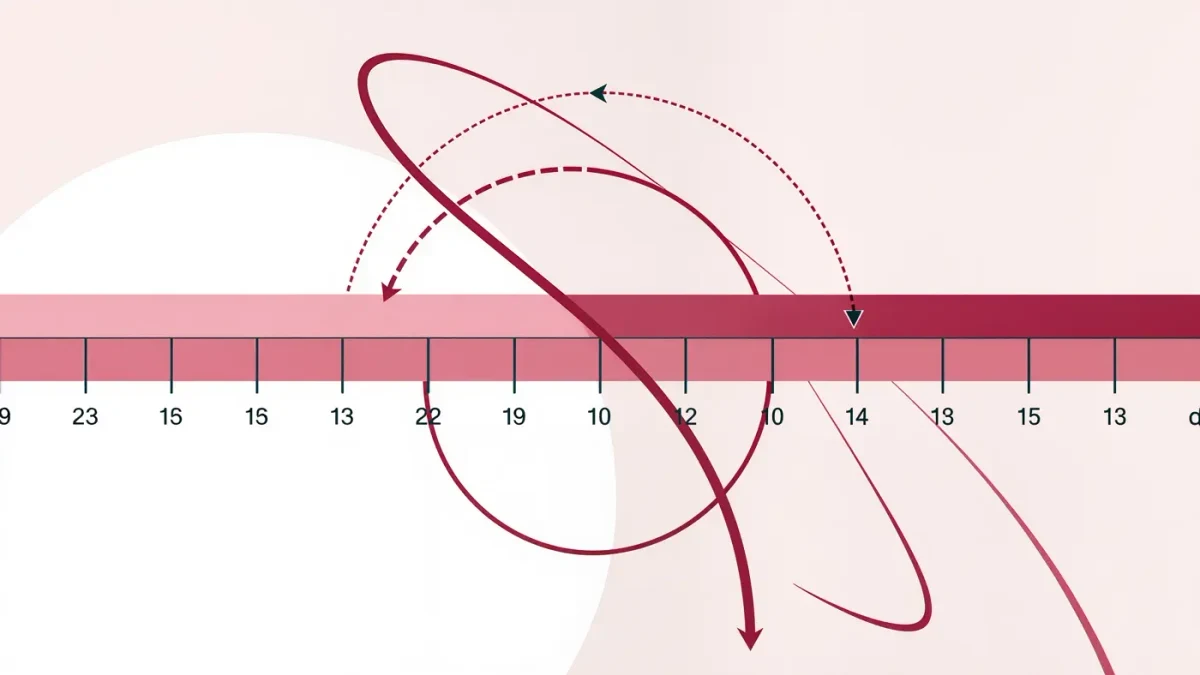
Nothing is truly moving backward. Venus orbits the sun in the same direction as Earth, but because both planets move at different speeds, there are weeks when Venus seems to retrace its path against the background stars. Astronomers call this apparent retrograde motion, and it is an optical effect of perspective, the same one that makes a faster train appear to slip backward past a slower one. Venus completes this cycle roughly every nineteen months, with the retrograde arc lasting about forty to forty-three days. The astronomy is real; the interpretation layered on top is folklore by any honest label.
What do astrologers say Venus retrograde means?
In the tradition, retrograde periods are read as review seasons, and Venus reviews the things Venus rules. Practitioners say old flames resurface, dormant friendships ping you, and unresolved feelings ask for a second look. The classical advice is to pause rather than push: hold off on dramatic relationship declarations, expensive makeovers, or impulsive declarations of taste, not because disaster is guaranteed but because desire is thought to be under revision. Astrologers frame it as rewriting a letter before sending it. Nothing is forbidden; the tradition simply suggests rereading first.
Why do exes come up in every Venus retrograde conversation?
Because the retrograde is read as the past returning for audit, the returning-ex story has become the period's signature anecdote. The traditional explanation is that Venus retrograde loosens what was unfinished, so people and pleasures from earlier chapters drift back into view. A more grounded take: when a cultural script tells millions of people to expect a message from the past, some of them will get one and remember it. Astrologers themselves add the caveat that a returning ex is an invitation to reflect, not a command to reply. The review, they insist, is the point.
Does Venus retrograde affect everyone the same way?
Practitioners say no. The retrograde occurs in a specific zodiac sign each time, and its influence is read as strongest for people whose natal chart has placements in that sign. Someone with planets in the sign Venus is revisiting may feel the season as a full subplot, while others notice almost nothing. The tradition also treats each Venus retrograde as belonging to a longer story: the sign it repeats in cycles, so themes can echo across years. All of this is interpretive craft, internally consistent but untested.
How do people spend a Venus retrograde pleasantly?
- Revisit rather than restart: reread old journals, replay favorite albums, revisit a beloved café instead of chasing novelty.
- Delay big aesthetic commitments, in the spirit of the tradition: the haircut, the rebrand, the tattoo can usually wait six weeks.
- Treat returning people as mirrors. The classical question is not should I respond but what does their return remind me about myself.
- Notice your tastes shifting, which practitioners consider the quiet headline of the season.
How much should any of this be taken seriously?
As scheduling, none of it: no study has shown planetary positions steering relationships or purchases, and the honest astrologers concede the point. As a prompt, though, a built-in review season is a rather nice piece of folk engineering. Six weeks every nineteen months, reserved for reconsidering what you love and why, costs nothing and occasionally clarifies something. Read your chart, enjoy the drama of the sky's apparent reversal, keep your romantic decisions where they belong, in your own judgment, where astrology has no jurisdiction and no vote. The tradition is at its best as a mirror, and at its worst when mistaken for a manager.