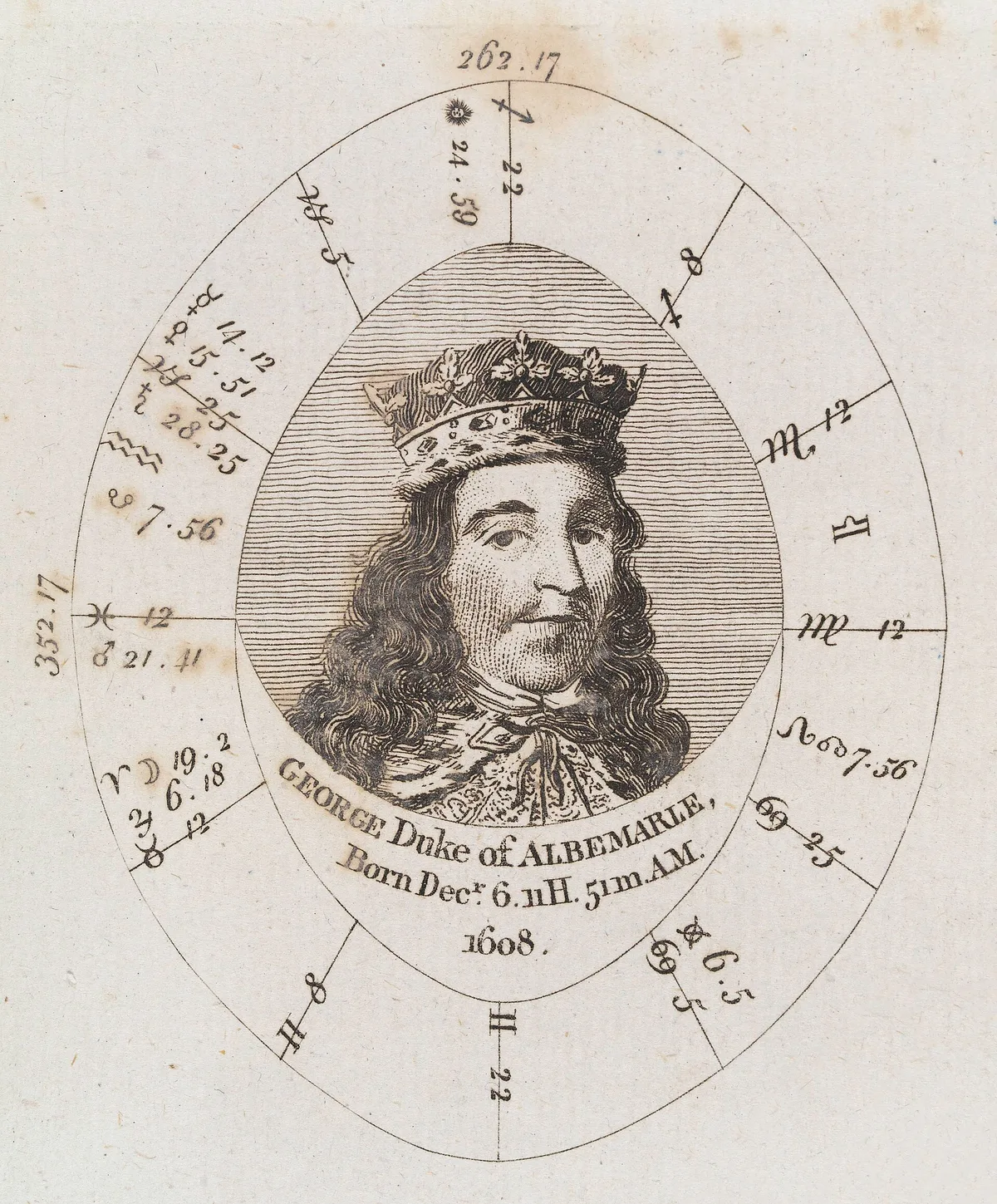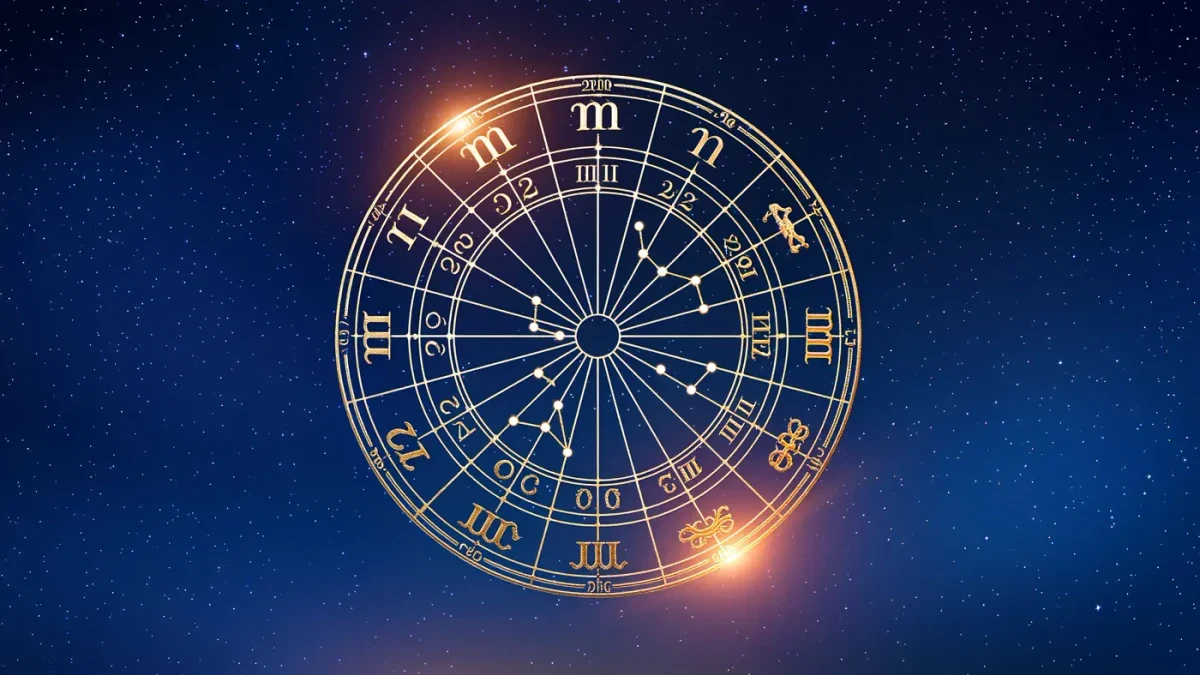
A birth chart is a map of where the sun, moon, and planets appeared in the sky at the exact moment you were born. In the tradition, it works like a snapshot: one frozen instant of the solar system, drawn as a circle divided into twelve signs and twelve houses. Astrologers read it as a symbolic language about temperament and timing, not as a set of verified facts about your life.
Astrology is an entertainment tradition, not a science; Equality Weekender publishes it as lifestyle content, not prediction or advice.
What is the sun sign supposed to show?
The sun sign is the one most people know, because it only requires your birth date. In the tradition, the sun stands for the core self: identity, ego, the thing you are consciously building toward over a lifetime. Astrologers read it as the headline of the chart rather than the whole story. If your sun is in Leo, the classical description is warm and theatrical; if it is in Capricorn, the reading leans disciplined and goal-focused. Practitioners say these are archetypes to think with, not fixed destinies.
Why does the moon sign get called the inner world?
The moon moves faster than any other body in the chart, changing signs roughly every two and a half days, which is why astrologers ask for your birth time to place it precisely. In the tradition, the moon sign describes the emotional undercurrent: what soothes you, what unsettles you, how you react before thinking. A Cancer moon is read as nesting and protective; an Aquarius moon as cool and a little detached. The moon is treated as the private self that only people close to you ever meet.
What makes the rising sign so sensitive to birth time?
The rising sign, or ascendant, is the zodiac sign that was climbing over the eastern horizon at your birth moment. It changes approximately every two hours, so twins born a few hours apart can have different risings even with identical sun signs. Astrologers read the ascendant as the lens through which the whole chart is focused: your style of meeting the world, first impressions, the mask that becomes a face. It also sets the starting point of the twelve houses, which is why an accurate birth time matters to anyone who wants a detailed reading.
How do the three work together?
Practitioners often use a simple division of labor: the sun is what you want, the moon is what you need, and the rising is how you appear while getting either. Someone with a Virgo sun, Pisces moon, and Sagittarius rising would be read as exacting at the core, tender underneath, and breezy on the surface. The pleasure of the framework is exactly that layering. It explains, within the tradition's own logic, why people rarely match the stereotype of their sun sign alone.
What else is on the wheel?
Beyond the big three, a full chart plots Mercury through Pluto, each placed in a sign and a house, and then draws the angles between them, which astrologers call aspects. A trine is read as easy flow; a square as productive friction; an opposition as a tug between two poles. Add the lunar nodes and a handful of calculated points and the picture grows dense quickly. That density is why practitioners study for years, and also why a casual reader can happily ignore most of it and still enjoy the sun-moon-rising trio, which carries most of the interpretive weight in modern practice anyway.
Where does the chart end and the person begin?
Even enthusiastic astrologers concede the obvious: a birth chart cannot be tested like a scientific instrument, and billions of people share placements without sharing lives. The chart is best treated as a mirror for self-reflection, a vocabulary for noticing patterns you might otherwise skip past. Read it the way you would read a poem about yourself, written by the sky. If a placement rings true, sit with it; if it does not, discard it. The tradition is flexible precisely because it is symbolic, and a weekend spent browsing your own placements is harmless fun as long as nobody mistakes the map for the territory.