The back-to-school supply drive — summer's most reliable act of neighborhood generosity — is in full swing for 2026. Volunteers of America's Operation Backpack, the national campaign that fills backpacks for children in need, has relaunched with drop-off locations across the country. Mile High United Way in Denver is running its Back to School Bash 2026 supply drive through August. And in the Twin Cities, Greater Twin Cities United Way's Action Day campaign has volunteers assembling school supply packs from June 9 through August 14.
What are the big campaigns this year?
Volunteers of America's Operation Backpack remains the flagship: the organization publishes grade-specific supply lists, collects filled backpacks at sites nationwide, and lets donors buy pre-filled packs online through regional affiliates like VOA Upstate New York. In Denver, Mile High United Way's Back to School Bash 2026 aims to equip hundreds of students with backpacks and supplies before the first bell. The Greater Twin Cities effort is notable for its format — at-home volunteer options let families, offices, and faith groups assemble kits on their own schedule before the August 14 deadline. Local drives stack on top: in Louisville, WLKY has partnered with Volunteers of America for a back-to-school supply drive, and ACHIEVEability in Philadelphia scheduled a free backpack giveaway for August 19.
Why do drives matter this much?
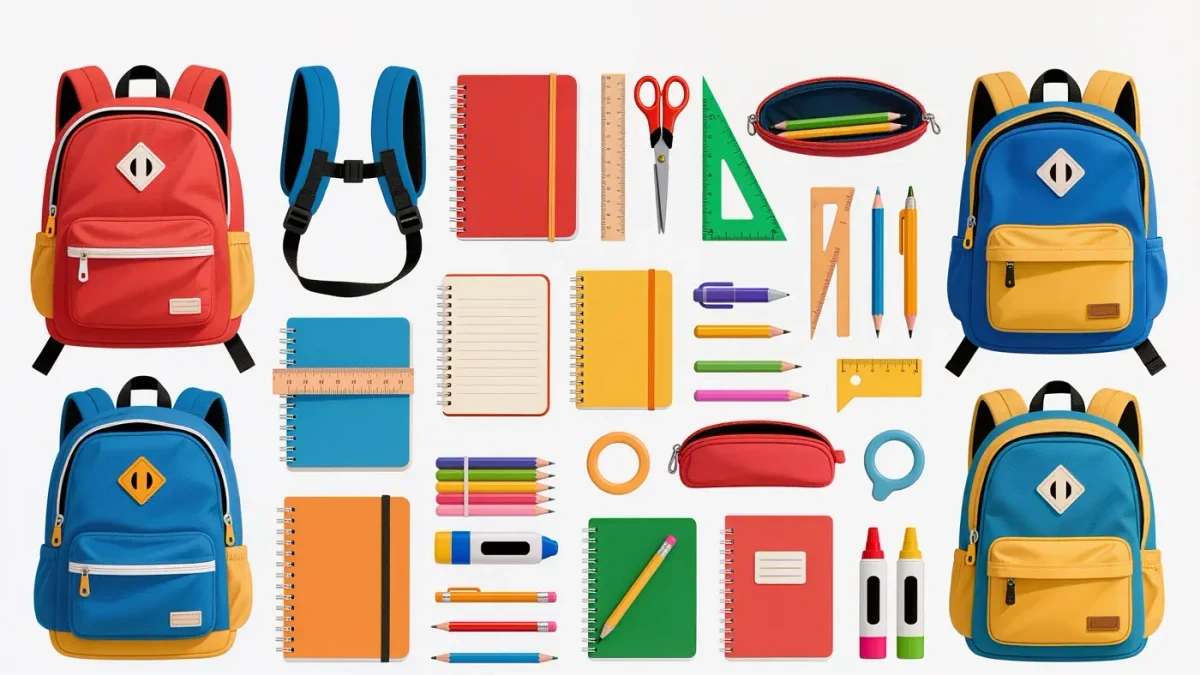
School supplies are a quiet line item in household budgets, and an expensive one when a family is buying for several children at once. Teachers absorb the gap when families cannot: educators routinely spend hundreds of dollars of their own money yearly on classroom supplies. A filled backpack — which typically costs a donor $25 to $75 depending on grade — removes that pressure at both ends, giving a student the same first-day kit as classmates and giving a teacher one less expense. Drives also route supplies through partners who know need precisely: VOA works with families in its housing and shelter programs, and United Way affiliates distribute through schools with high free-and-reduced-lunch rates.
How can neighbors take part?
The pattern is the same across campaigns. Shop from the published list, because teachers request specific items — the right calculator, the right binder — and a well-meant substitute can sit unused. Drop off early rather than in the final week, when sorting volunteers are swamped. If time is easier to give than money, most drives need hands for packing and sorting shifts in August. And cash gifts often stretch furthest: nonprofits buy wholesale, turning a $25 donation into more supplies than the same $25 buys at retail.
What does this change for the community?
A supply drive is a small machine with a precise output: a child who starts the year with the tools the curriculum assumes. Multiply it across a metro and the effect is measurable — thousands of students whose families did not have to choose between a backpack and a utility bill, and classrooms that start teaching instead of rationing. The 2026 season's scale, from national backpack campaigns to a neighborhood giveaway on a Tuesday afternoon, is a reminder that this is infrastructure too — one built every summer, box by box, by people who will never see the classroom that receives them.