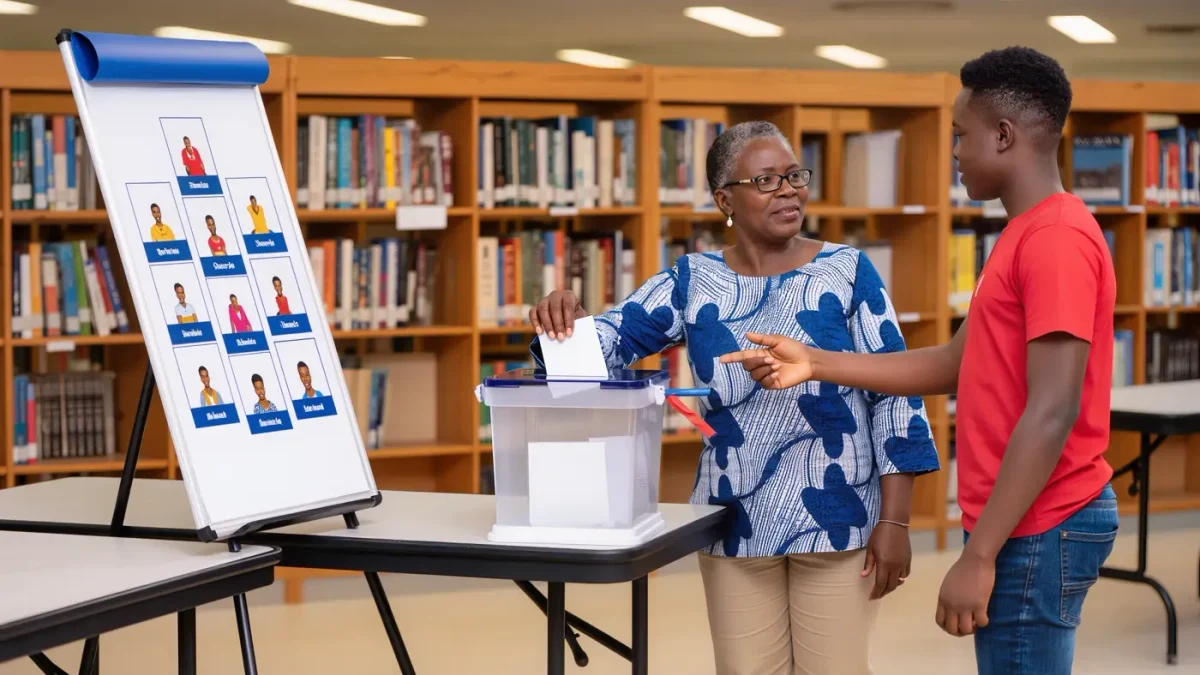
Participatory budgeting — letting residents vote directly on how public money is spent in their neighborhoods — just finished one of its biggest American cycles. On May 22, 2026, New York City Council Speaker Julie Menin announced the results of a cycle in which New Yorkers voted online or by paper ballot at more than 100 in-person voting sites across 22 council districts, capping a districtwide vote that ran April 11 through 19.
How did the 2026 cycle work?
The mechanics were the ones PB has used since it reached New York in 2011, scaled up. Last fall, residents submitted ideas for neighborhood projects. Volunteer budget delegates — ordinary New Yorkers, not city staff — whittled the ideas into feasible proposals: new playground equipment, bus shelters, tree plantings, laptop carts for schools. From April 11 to 19, 2026, residents age 11 and older voted online or at pop-up sites in libraries, schools, and street festivals. The top vote-getters in each district get funded, with winning projects typically in the hundreds of thousands of dollars per district.
Is the idea spreading?
Yes, in two directions at once. Within New York, "The People's Money," the citywide mayoral PB program that lets residents decide how to spend part of the city budget across all five boroughs, ran voting through June 21, 2026 — separate from the council district process, and broader in reach. Nationally, the Participatory Budgeting Project reported that New York City's 2025 primary results paved the way for a major expansion of PB, with candidates who backed participatory budgeting winning up and down the ballot, and new cycles launching in cities and wards far from the coasts — Chicago's 26th Ward, among others, wrapped its own recent cycle with ranked-choice ballots.
What actually gets funded?
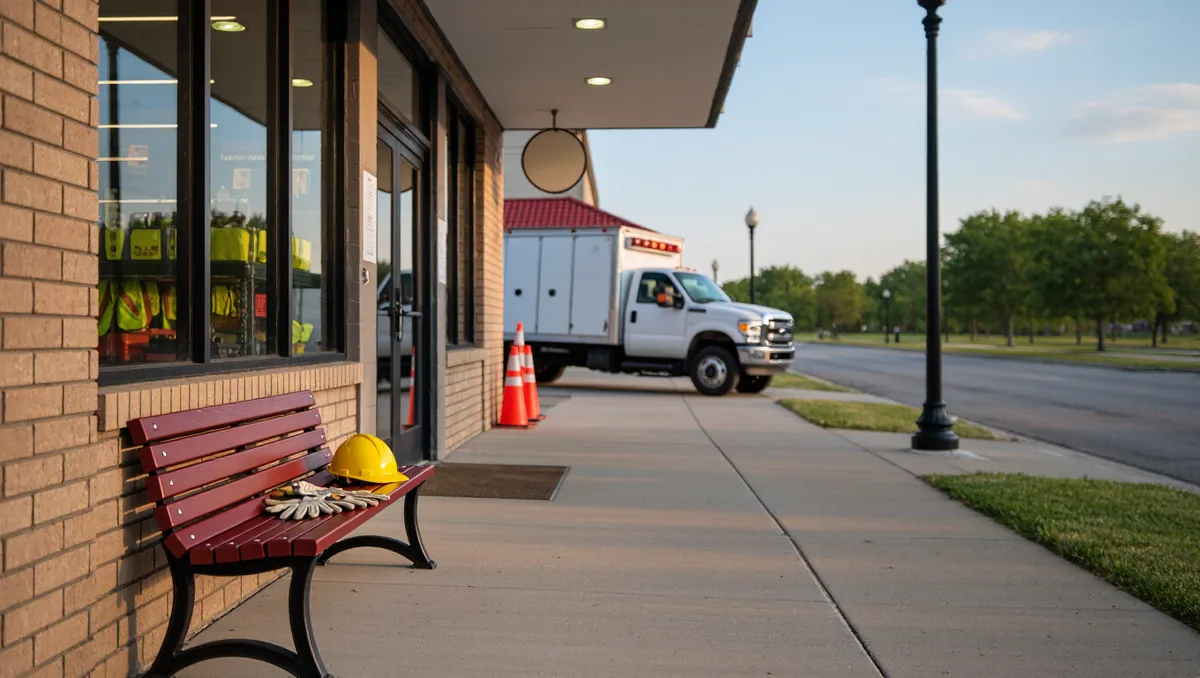
The pattern holds year to year: neighborhood hardware. School technology, park benches, security cameras, bathroom renovations in public schools, wheelchair ramps, trees. These are the improvements agency capital plans routinely defer because they are too small for a megaproject and too big for a maintenance line. PB's niche is exactly that gap — the fixes residents walk past daily and agencies never quite reach. Studies of past cycles have also found a civic dividend: districts that run PB see broader participation in subsequent elections, and youth who vote in PB are more likely to show up later.
What does this change for the community?
Participatory budgeting converts residents from commenters into deciders. A vote at a library table on which project gets built is a more concrete form of power than almost any other the city offers an 11-year-old or a new immigrant. The 2026 numbers — 22 districts, 100-plus voting sites, thousands of ballots — represent a quiet transfer of authority over real money to the people who live with the results. For neighborhoods long accustomed to having capital budgets decided blocks away or boroughs away, the change is less the dollar amount than the direction: for once, the decision traveled to them.