Two headlines about fare-free transit are true at once. In Boston, free bus routes saw ridership climb 38 percent and boarding times drop. In Kansas City, the first major U.S. city to make buses free, the era is ending: fares return June 1, 2026, after the City Council approved a funding plan in April 2025 that reinstated fares and cut service frequency on most routes. Together, they frame the real story of America's fare-free experiments — the riders came; the funding did not always follow.
What did the experiments actually show?
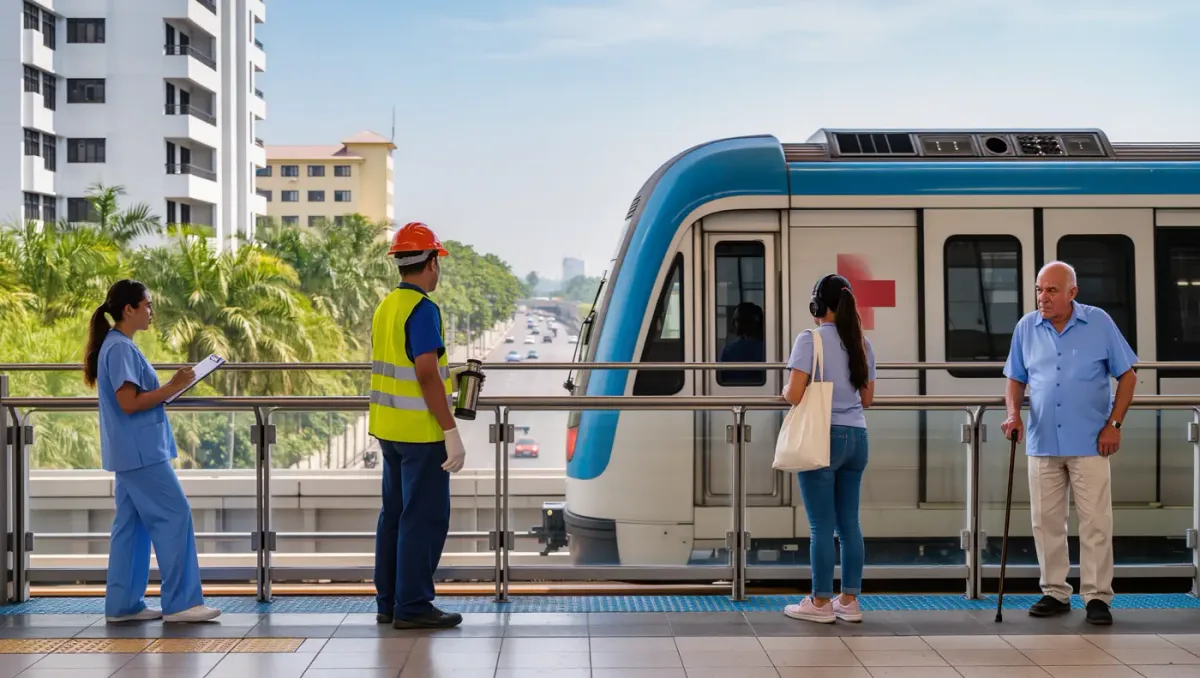
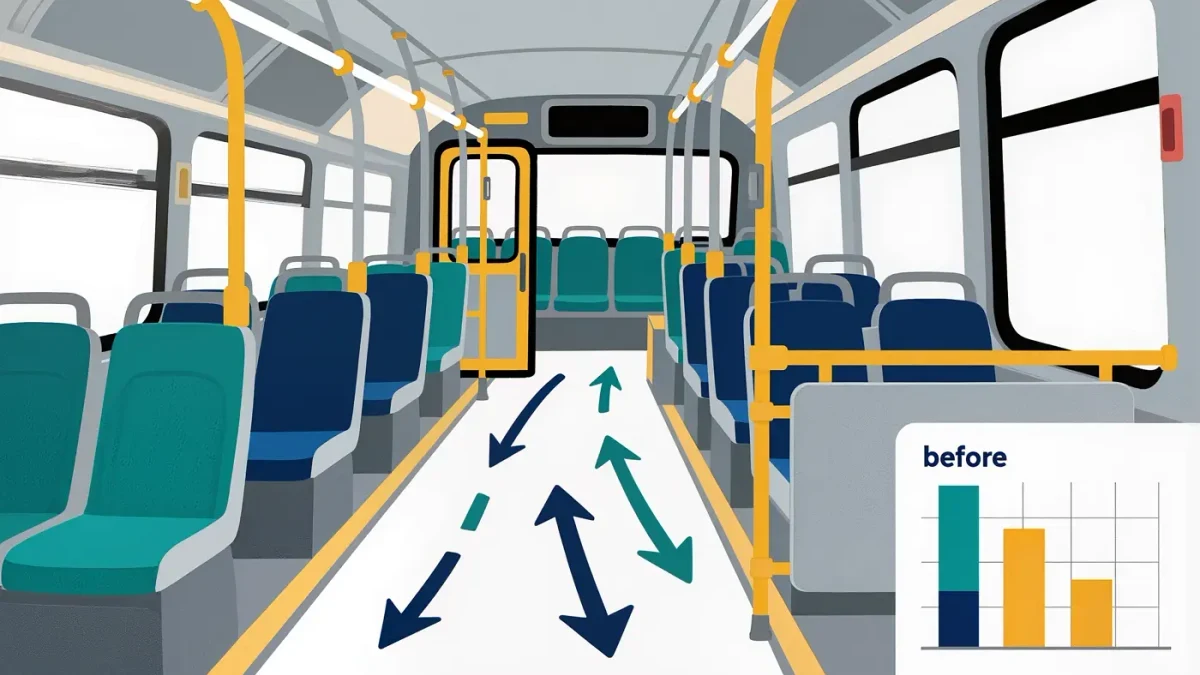
Kansas City went fare-free in 2020 and stayed that way for five years. A University of Kansas study found the policy attracted new riders — 17 percent of surveyed riders said they started riding because it was free — and riders reported better access to grocery stores, healthcare, and jobs. In Boston, the city's free-fare pilot on routes 23, 28, and 29, which serve predominantly Black and low-income neighborhoods, produced a 38 percent ridership increase and let those routes recover to pre-pandemic levels faster than the rest of the network, while dwell times per passenger fell about 20 percent because no one fumbled for a fare box. The Massachusetts results stretched beyond Boston: at the Southeastern Regional Transit Authority, ridership rose 56 percent in the first five months of fiscal 2025, part of the reason the state expanded fare-free programs to regional transit authorities.
Why is Kansas City reversing course?
Federal pandemic relief dollars had quietly bankrolled the free-ride model, and when they dried up, the Kansas City Area Transportation Authority faced a structural shortfall. In April 2025, KCUR reported, the funding plan adopted by the City Council reinstated fares and reduced frequency on most routes rather than find new revenue. Beginning June 1, 2026, RideKC buses charge a base fare again, with reduced fares for qualifying riders. Transit advocates read the reversal not as a verdict on the idea but on the financing: free fares were treated as an emergency measure rather than a budgeted service.
Who is staying free?
Albuquerque made zero-fare transit permanent in November 2023 with a City Council vote, and as of mid-2025 the city remained committed: ABQ RIDE charges nothing, boarding is faster, and fare-box conflicts — the disputes between drivers and riders over payment — have disappeared. The city's own transit page lays out the zero-fare policy plainly. Counter-examples point the other way too: GoCary and GoDurham in North Carolina reinstated fares in June 2025. The pattern researchers note, including in a 2025 paper in Transportation Research Part A, is that fare-free programs reliably add riders, and that the equity gains concentrate exactly where pilots like Boston's targeted them.
What does this change for the community?
For riders, the arithmetic is direct: a monthly pass is a real line in a low-income budget, and every city that dropped fares found people using the savings for groceries, medical visits, and work trips they had been skipping. The Boston and SRTA numbers show free routes draw riders fastest in the neighborhoods that depend on buses most. But Kansas City's reversal is a warning to organizers and city councils alike: mutual benefit does not pay a fuel bill. Communities that want permanent free transit are learning to demand what Albuquerque built — a dedicated funding decision — instead of what Kansas City got, which was an experiment with an expiration date.