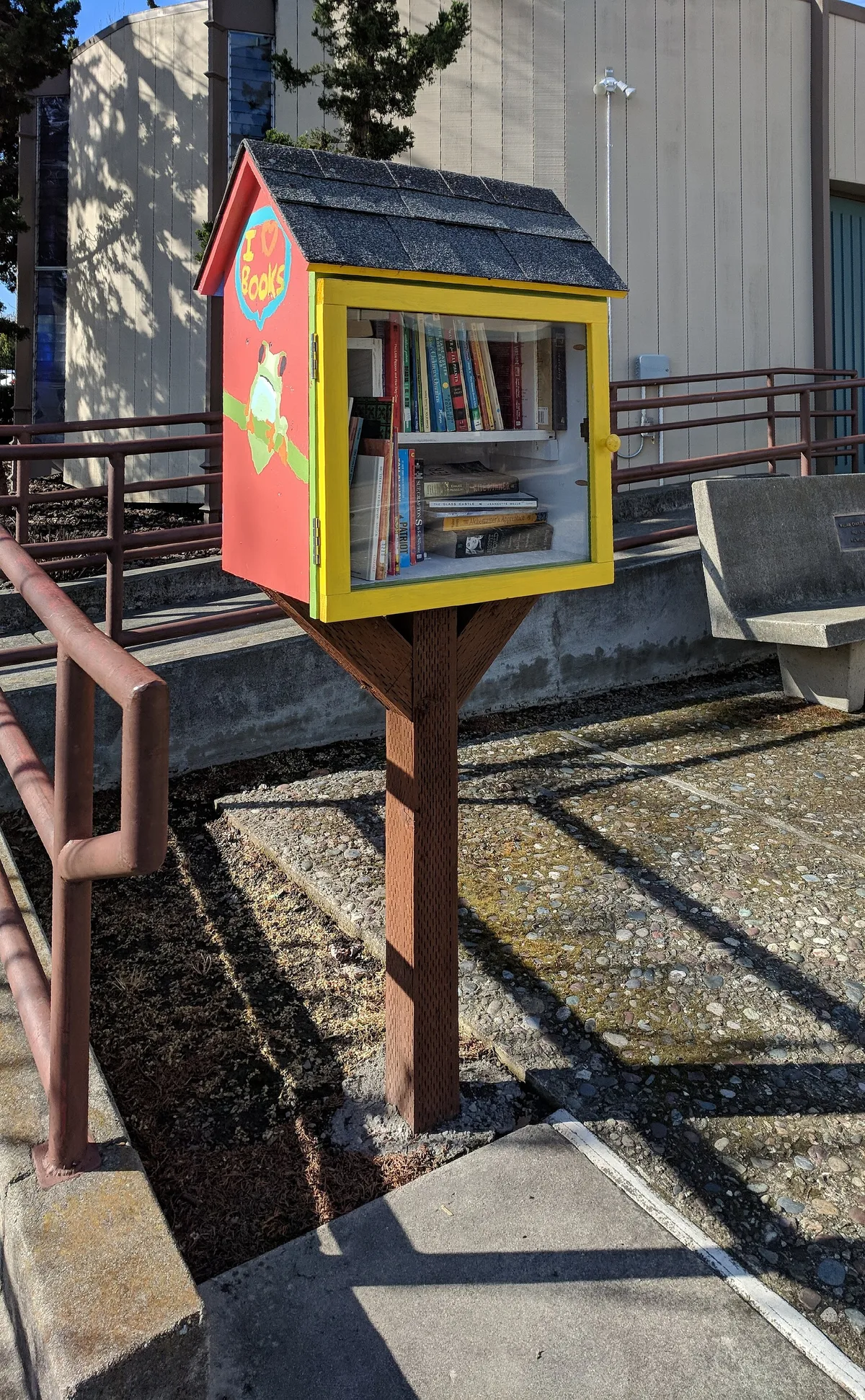
Little Free Library, the nonprofit behind the wooden book-sharing boxes on front lawns and sidewalks, has crossed two thresholds that would have sounded implausible when a Wisconsin man nailed his first box to a post in 2009. In March 2025, the organization launched its 200,000th registered book-sharing box, and its official milestones page now counts more than 400 million books shared through the network.
How did the network get this big?
The growth curve is the story. Todd Bol built the first box in Hudson, Wisconsin, as a tribute to his mother, a teacher who loved to read. He gave it away, then built more. By 2020 — the organization's tenth anniversary — the 100,000th library was installed, a milestone the Associated Press noted as the boxes became small solaces during pandemic shutdowns, when library buildings closed and the little front-yard exchanges kept working. Five years later, the count doubled again, reaching 200,000 boxes in March 2025. Along the way the organization logged an earlier mark of 250 million books shared, a figure that has since climbed past 400 million.
What did the 200,000th library milestone look like?
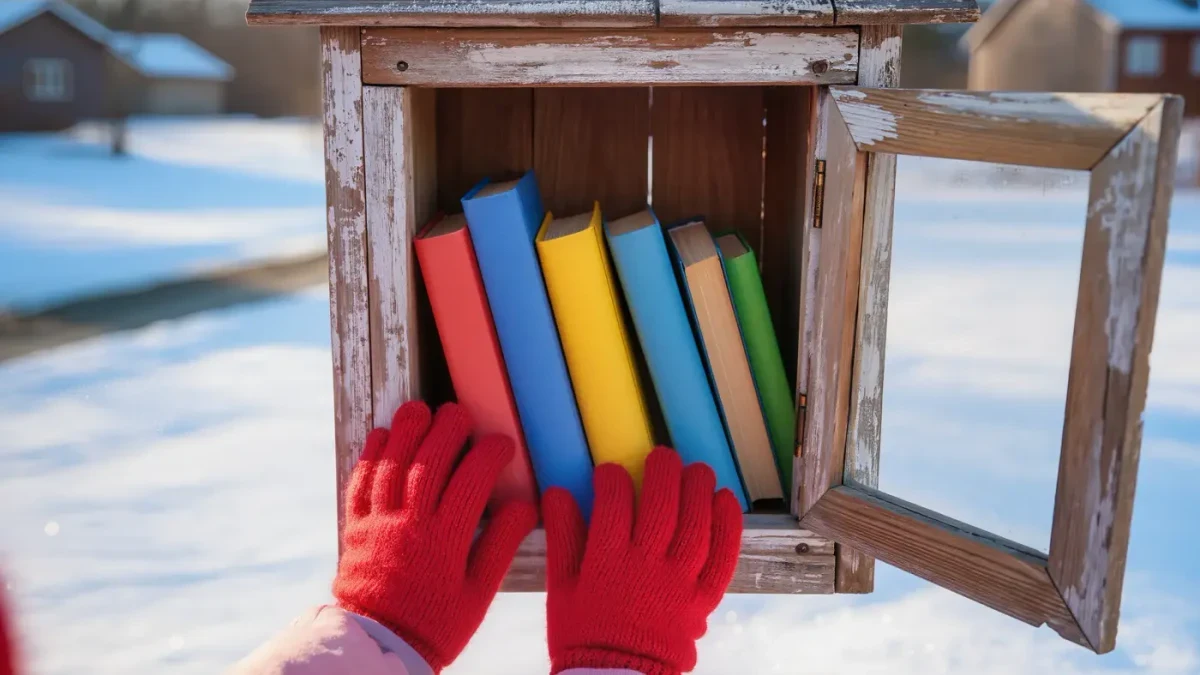
The organization marked the occasion by granting 200 new Little Free Libraries to Title I schools, each stocked with 200 new books donated by Penguin Random House — roughly 40,000 new books placed with children in under-resourced communities. The 200,000th box itself was celebrated at a St. Paul, Minnesota, elementary school. It was a fitting location: the movement's bread and butter has always been the walkable, hyperlocal exchange — a child trading a finished chapter book for the next one without a library card, a bus schedule, or a ride.
Why do the boxes matter in 2026?
The boxes have also become a quiet counterweight in an era of book challenges. The AP reported in 2023 that Iowa's book-ban law prompted some stewards to post disclaimers on their exchanges, and teachers in several states have built front-yard libraries stocked with titles others tried to remove from school shelves. A network of 200,000 boxes, most tended by volunteer stewards, is difficult to censor and cheap to run. Access to books in the home is among the strongest predictors of childhood literacy, and the boxes put books where libraries cannot always be — a rural road, an apartment courtyard, a laundromat parking lot.
Who keeps the boxes running?
Stewards do. Each registered box has a caretaker — a family, a scout troop, a coffee shop — who pays a small registration fee, maintains the box, and keeps it stocked from their own shelves or neighborhood donations. The nonprofit's role is mapping, charters, and programs like the school grants, but the network's maintenance is a volunteer act repeated 200,000 times over.
What does this change for the community?
Every milestone here was reached by individuals, not agencies. A movement that began as one memorial box now moves hundreds of millions of books, puts free reading material within a short walk of millions of homes, and gives teachers and families a direct channel to keep challenged titles circulating. For neighbors, the math is simple: the nearest library is now often thirty feet away, open around the clock, and tended by the person next door.