On Monday, January 19, 2026, the Greater Philadelphia MLK Day of Service marked its 31st year as the oldest and largest King Day volunteer event in the country — and it did so from a new home base. For the first time in more than 15 years, the region's central volunteer hub was not a school gym or a convention hall downtown but Temple University, whose Pearson Hall hosted kickoff activities from 8 a.m. while service projects spread across the campus and the city through the afternoon.
What happened on January 19?
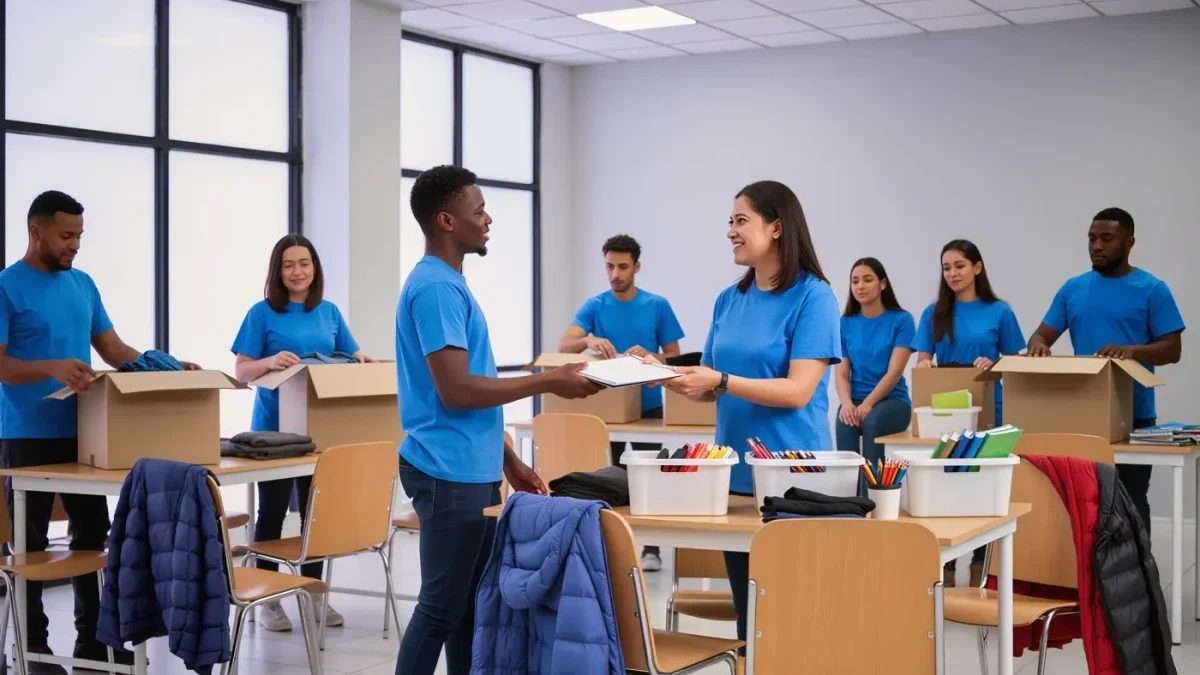
The day followed the pattern that has made Philadelphia's event a national model: a morning kickoff, then a region-wide scatter of hands-on work. Philadelphia Parks & Recreation ran service projects at recreation sites across the city, including the MLK Recreation Center, starting at 10 a.m. The National Constitution Center opened its doors free of charge from 10 a.m. to 5 p.m., pairing admission with programming on King's legacy. Germantown Friends School held its own day of service under the theme "Equity in Education," and Cradles to Crayons ran a three-day Weekend of Service from January 17 through 19, packing clothing and school supplies for children. The Philadelphia Orchestra closed the day with a 3 p.m. concert at Marian Anderson Hall, named for the civil rights figure whose own history with the city runs deep.
Nationally, the day is coordinated through the Points of Light national hub, which supports MLK Day projects in communities from Arlington, Virginia, to King County, Washington, where United Way organizes one of the country's largest regional mobilizations. What distinguishes Philadelphia is scale sustained over three decades: a quarter-century-plus of turning a federal holiday into a working day.
Why did the hub move to Temple?
Organizers framed the shift to Temple as a homecoming to the city's neighborhoods. A North Philadelphia campus puts the kickoff within walking distance of communities where much of the day's service is directed — schools, gardens, recreation centers, and senior homes on the same blocks students pass daily. Hosting at a university also signals the event's effort to recruit younger volunteers, converting a day off classes into a day of work. WHYY's preview of the 2026 day noted the change as the most visible logistical shift in the event in more than a decade.
Who showed up?
The Greater Philadelphia event has historically drawn tens of thousands of volunteers across hundreds of projects in Pennsylvania, New Jersey, and Delaware, and the 2026 edition followed suit with sign-ups through mlkdayofservice.org. Participants ranged from corporate teams to families with children sorting donations, a tradition that dates to the event's founding in 1996 by Todd Bernstein, who built it around the idea that King Day should be "a day on, not a day off."
What does this change for the community?
A single day does not close budget gaps, but it does three things that outlast the holiday. It completes work — painted murals, sorted supplies, cleaned parks — that cash-strapped agencies would otherwise postpone. It builds recurring relationships: organizers consistently report that a meaningful share of one-day volunteers return to the same nonprofits later in the year. And it models civic participation for young people who spend the holiday working alongside neighbors rather than watching it pass. Thirty-one years in, Philadelphia's version of King Day has become infrastructure of its own — an annual reminder that the fastest way to honor a movement leader is to pick up a paintbrush or a packing tape gun and join one.