Inclusion
Workplace Interpreters for Deaf Employees: How Provision Actually Works
Under the ADA, providing a qualified sign language interpreter is usually a reasonable accommodation — and the process is more practical than most employers assume.
Inclusion examines practice inside organizations: who gets hired and promoted, whether buildings and systems are usable by everyone, how schools handle difference, and which programs produce measurable change. Coverage credits what functions and identifies what exists only on paper. For people responsible for making institutions work better.
What inclusion looks like when practiced rather than announced: hiring and promotion patterns, accessible buildings, school policy, failing programs.
Under the ADA, providing a qualified sign language interpreter is usually a reasonable accommodation — and the process is more practical than most employers assume.
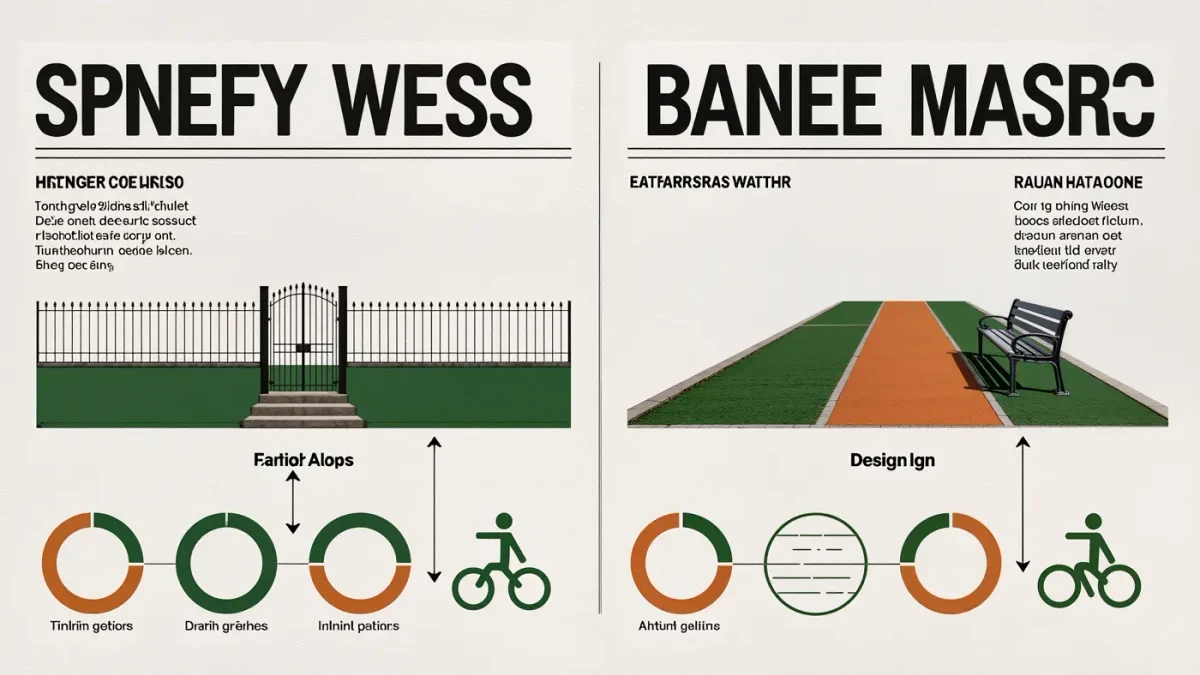
New York's park department stopped treating access as an add-on and started redesigning the edges of parks themselves — and the lessons travel.

Federal law sets a floor for accessible voting nationwide — machines, assistance and accessible polling places — regardless of which state you cast a ballot in.

In housing, assistance animals are not pets — and the rules landlords can apply to them are narrower than most leases assume.

The Web Content Accessibility Guidelines are the shared rulebook for usable websites — and, increasingly, a legal baseline public bodies must meet.
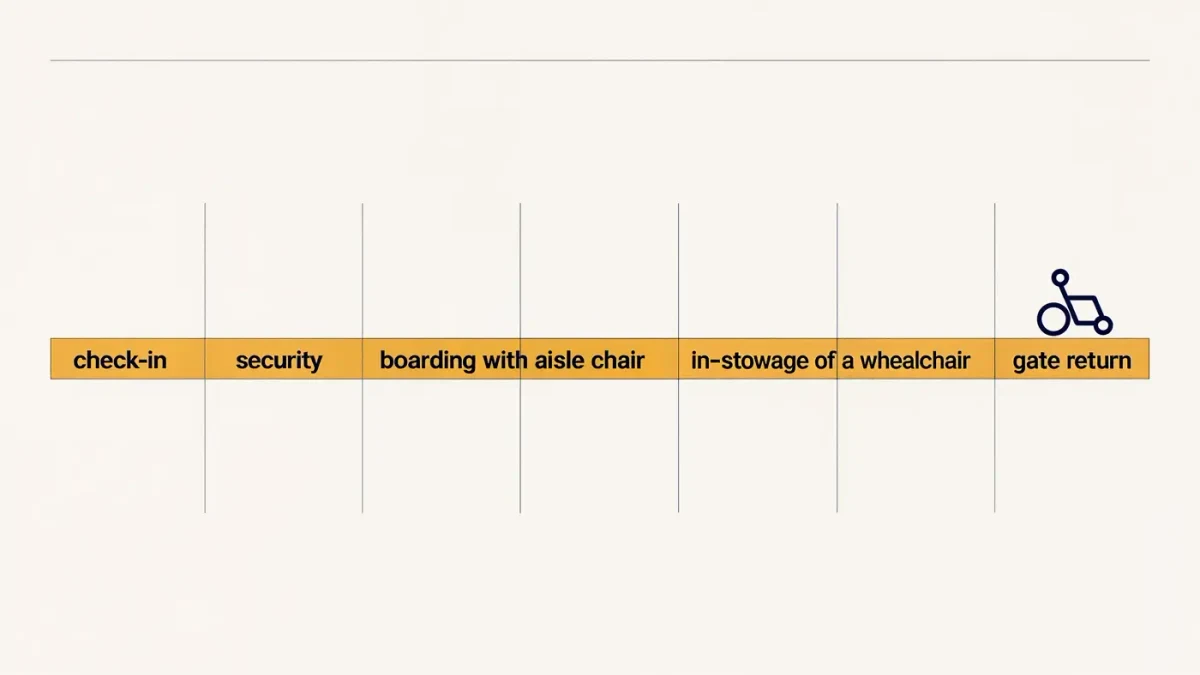
The ACAA gives wheelchair users specific, enforceable rights at every stage of a flight — if they know what to ask for and when to file.