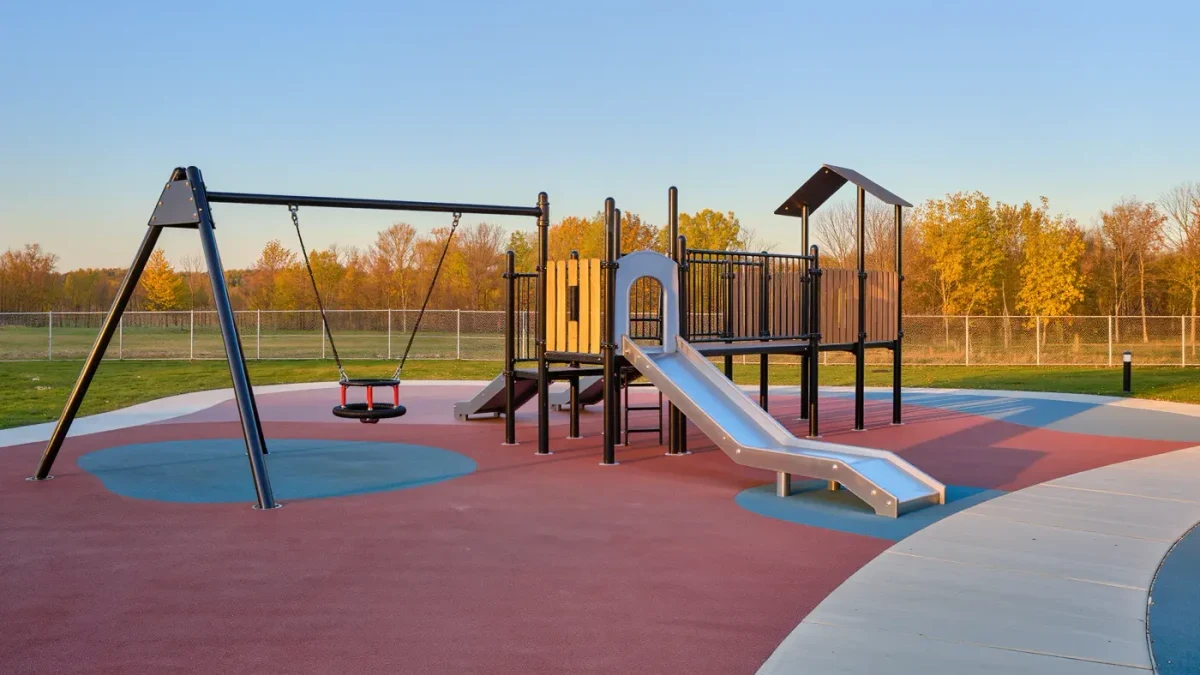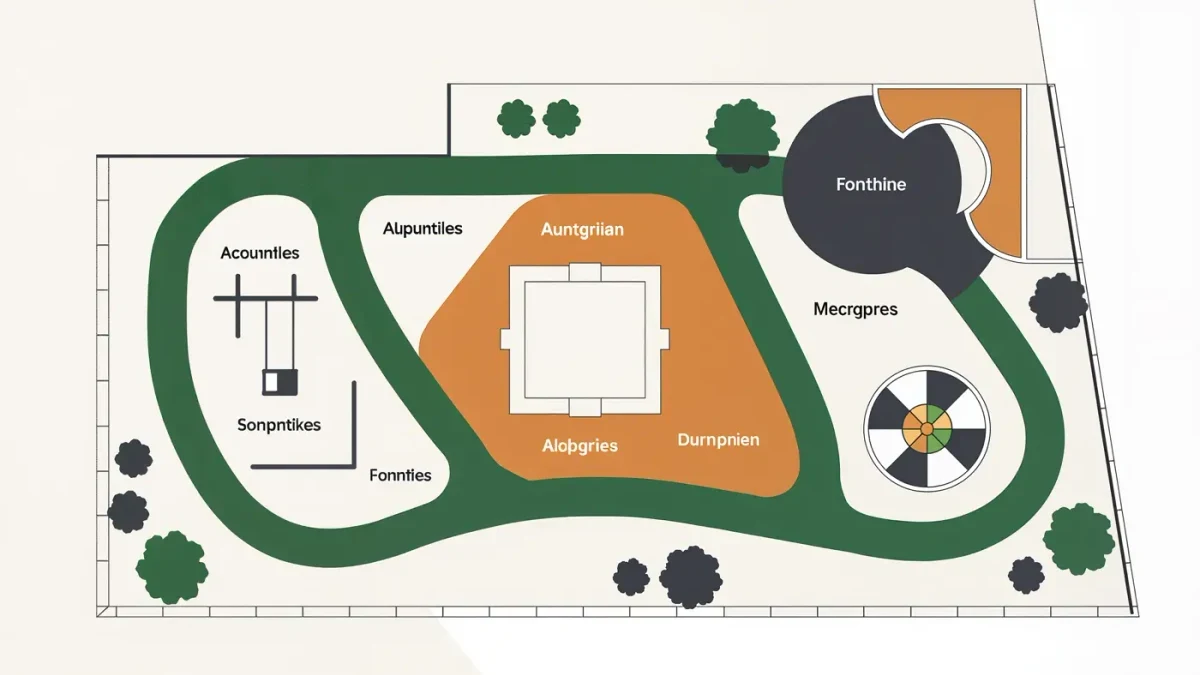
An inclusive playground, done well, is not a standard structure with a ramp bolted on: it is a deliberately designed environment where a child using a wheelchair, an autistic child who needs an exit ramp from stimulation, and a typically developing child all find equipment built for them, side by side. The legal floor comes from the ADA's 2010 accessibility standards, which require accessible routes, surfacing and a proportion of ground-level and ramped play components. The best-known working model above that floor is Magical Bridge, the playground design that opened in Palo Alto, California, in 2013 and has since spread to a growing list of cities, built around zones for different kinds of play and different sensory needs.
This article is an explainer of design, not a rating of manufacturers. EQUALITY WEEKENDER publishes information for general understanding; project decisions belong with communities, designers and the federal play-area guidelines they follow.
What does the law actually require?
The ADA's 2010 Standards, incorporating the US Access Board's play area guidelines, set measurable minimums. Playgrounds with elevated play components must connect at least half of them by ramps, and provide ground-level components in specified numbers and types — slides, climbers, swings — so children who cannot transfer out of mobility devices still have real play, not a viewing platform. Surfacing must be firm, stable and slip resistant along accessible routes, which in practice rules out loose fill like wood chips or sand on those paths, though engineered wood fiber is used where it is compacted and maintained.
Compliance, advocates are quick to note, is where inclusion starts, not where it ends. A playground can meet every federal minimum and still segregate: one accessible swing at the edge, one ramp to a platform with nothing to do on it. The features below are the ones designers and families point to as the difference between compliant and genuinely used.
Which surfaces get used — and which fail quietly?
Surfacing is the least glamorous and most decisive feature. Poured-in-place rubber and rubber tiles let a wheelchair roll from the parking lot to the slide without assistance; engineered wood fiber, cheaper up front, shifts, digs and freezes into compliance-maintenance headaches that many departments lose track of. Parents of wheelchair users describe surfacing as the single factor determining whether they visit a playground at all, because a child who cannot cross the ground cannot reach anything built on it.
What play features do kids return to?
The reliable hits share a trait: they are the same equipment everyone uses, made usable by more bodies. Wheelchair-accessible merry-go-rounds with secure stations at wheel height, so a chair rolls on and spins with everyone. Swings with full-back seats and harnesses, which serve children with low tone and are invariably popular with toddlers who simply like the enclosure. Roller slides, quieter and slower than steel slides and playable in a wheelchair transfer. Group spinners and see-saws where disabled and non-disabled children sit at eye level. Sound play — chimes, drums, talk tubes — that children with visual disabilities share fully.
Equally important is what designers call the gradation of challenge: equipment in each zone at multiple difficulty levels, so siblings and friends of different abilities play in the same footprint rather than being sorted to opposite corners. The failure mode is obvious in hindsight: a single heroic climber plus a single static panel satisfies a checklist while giving no one a reason to come back.
Why do quiet spaces matter as much as slides?
The features most often skipped by well-meaning builders are the ones for children whose disability is invisible. Fenced perimeters with gated entries, so a child who bolts or wanders can play without a parent in constant pursuit. A quiet zone or cozy nook — a low dome, a shaded nook, planting that buffers noise — where an overwhelmed child regulates before returning, rather than leaving. Wayfinding that is simple and visual, and seating placed so caregivers with disabilities can be part of the visit rather than parked at the edge.
Magical Bridge's design made this explicit, zoning its playgrounds to include a stage and gathering space alongside the swing and spinner zones, on the reasoning that play includes performance, watching and resting — activities many disabled children had been structurally denied. Designers who follow the model describe the quiet spaces as what makes the playgrounds work for autistic children, and therefore for their whole families.
How do communities get one built?
The pattern behind successful projects is consistent. A core of families whose children were excluded from standard playgrounds supplies the story and the persistence; a parks department supplies land and maintenance; fundraising covers the premium of inclusive surfacing and equipment over the compliant minimum. Funders and Rotary-type service clubs have repeatedly backed such builds because the finished playground serves the whole neighborhood — grandparents with canes, toddlers, tired parents — not only disabled children. Design consultation with disabled users before finalizing the plan is the step that separates playgrounds built for families from playgrounds built for a brochure.
What does use reveal that plans cannot?
Post-opening, the evidence is behavioral. Inclusive playgrounds that work fill with mixed-age, mixed-ability crowds at all hours, and the accessible equipment shows wear equal to the rest — the truest metric in a field where nobody files reports. Where they fail, the accessible swing sits unused at the edge and the rubber surface leads to a structure with nothing on it.
The simplest summary designers offer: children do not choose a playground by its compliance certificate. They choose it because there is something to do there, someone to do it with, and a way to leave when it is too much. Build those three things, and the ramp stops being an accommodation. It is just how everyone gets in.