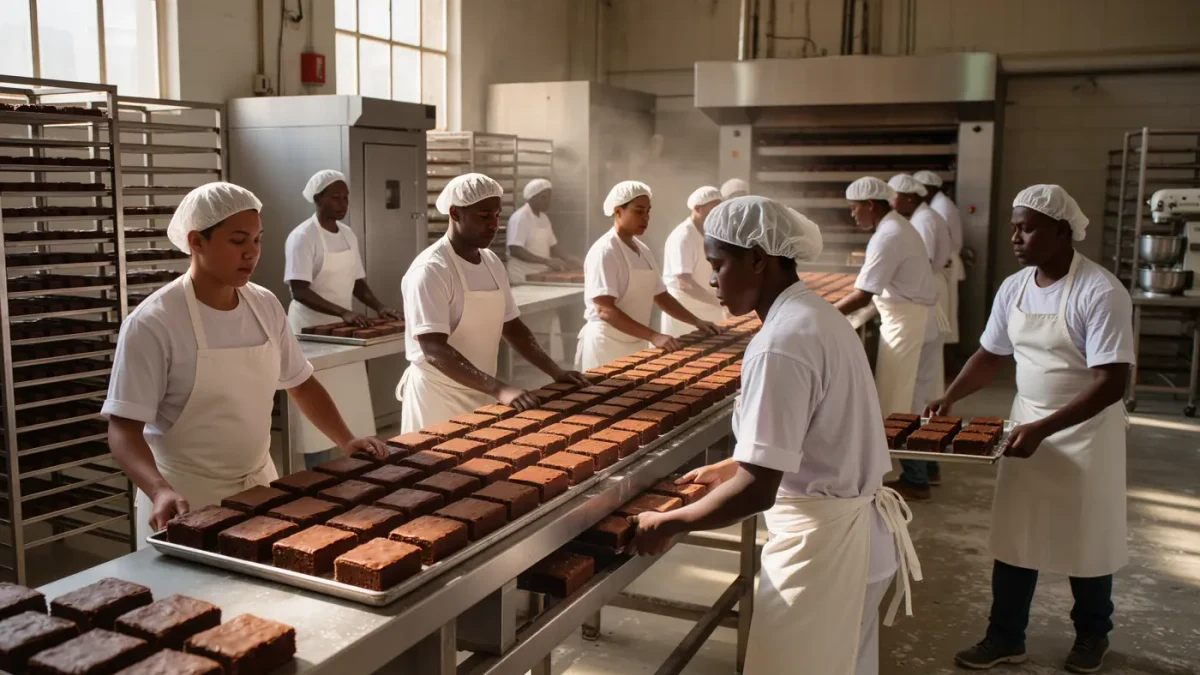
In Yonkers, New York, a short drive from the Manhattan border, there is a bakery where the application process fits on a sign-up sheet. Greyston Bakery, founded in 1982 by the Zen teacher Bernie Glassman, pioneered what it calls Open Hiring: no interviews, no background checks, no resume, no questions asked. If your name reaches the top of the list, you start work. The brownies this workforce bakes have ended up, for decades, inside pints of Ben & Jerry's ice cream.
The story begins with an unlikely founder. Glassman was an aeronautical engineer who became a Zen Buddhist teacher, and in the early 1980s he was looking for a way to fund his social work and, more importantly, to create jobs in a community stripped of them. As Greyston tells its own history, the solution was a bakery — and the hiring policy was simple from the start: accept anyone with the will to work. What followed was not a marketing slogan but an operating system, one the organization still runs on more than forty years later.
What does it mean to hire without questions?
Conventional hiring is a machine for sorting people out. It screens for gaps in employment, criminal records, housing instability, missing diplomas — the very burdens that make work hardest to find for those who need it most. Open Hiring inverts the sequence. Greyston puts every willing applicant on a waitlist, and when a position opens, the next person on the list gets it. The trust comes first; the paperwork follows.
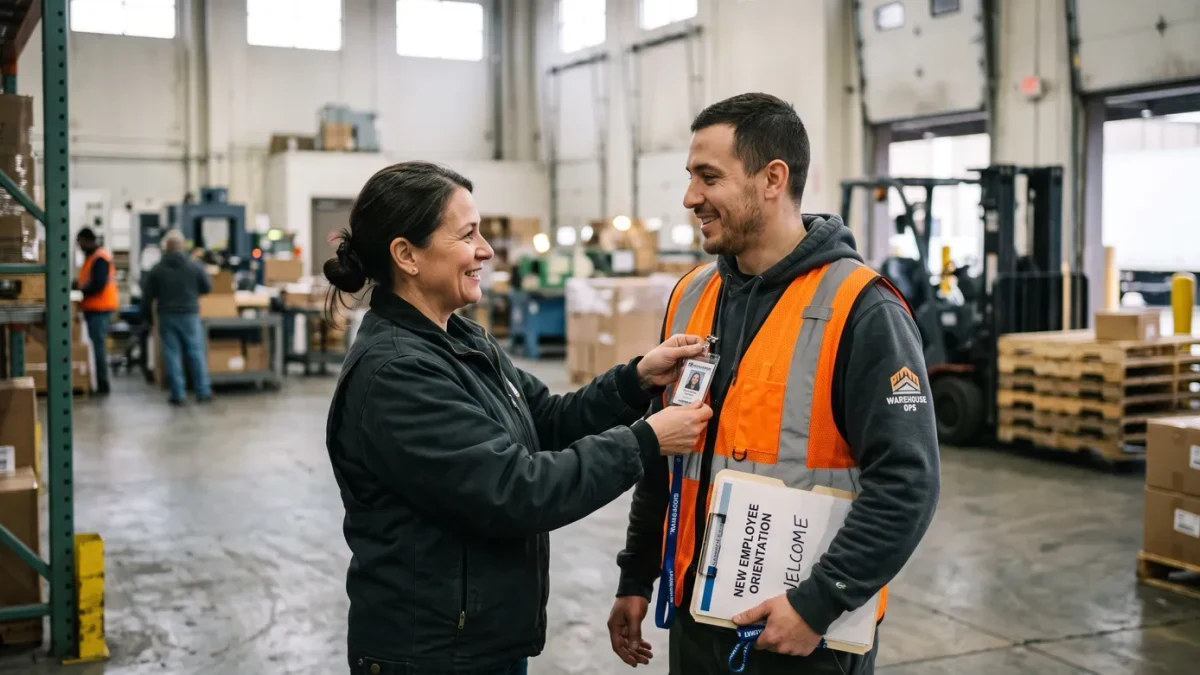
The bakery's own jobs page describes entry-level positions filled "without judgment of a person's past." Employees who were formerly incarcerated, unhoused, in recovery, or simply passed over everywhere else work the same production lines as anyone else, with training, support and the same expectations. The model treats a job not as a reward for a clean record but as a starting point for building one.
This is not naïveté; it is accounting of a different kind. Greyston's founders calculated that the costs of exclusion — recidivism, shelters, emergency rooms, lost tax base — are simply moved somewhere else when an employer says no. A September 2025 feature by Columbia News Service described the policy plainly: no resumes, background checks, or interviews. The bakery counts what conventional employers never see on a balance sheet.
From brownies to a movement
The economics were carried, fittingly, by dessert. In the late 1980s Ben Cohen of Ben & Jerry's discovered the bakery, and Greyston became the supplier of the brownie chunks in the company's ice cream — a partnership that continues today and gave the small Yonkers operation a national customer before most social enterprises had a name for what they were doing.
Over time the bakery became the anchor of the Greyston Foundation, which grew into housing, child care, health services and workforce programs in Yonkers — the philosophy being that a job alone is not enough if a worker has no home, no child care and no support. The bakery remained the front door.
In 2019 the organization began deliberately exporting the idea, launching a Center for Open Hiring to coach other employers through the transition and hosting an Open Hiring cohort that included large consumer brands testing the model at scale. Greyston has since set a public goal of catalyzing 40,000 Open Hiring jobs by 2030, and the concept has been studied by researchers and copied, in pieces, by companies far from Yonkers.
Why the model resists imitation
Other employers often admire Open Hiring and then quietly decline it. The sticking point is rarely the workers; it is the willingness to give up control before performance is proven. Greyston's answer is structure: clear expectations, patient on-the-job training, and support services that catch people when life — eviction court, a parole meeting, a sick child — interrupts a shift. Trust is extended on day one, and the organization does the work to make that trust land.
There is also a quieter lesson embedded in the bakery's longevity. Open Hiring survived recessions, ownership changes in the food industry and four decades of shifting fashions in workforce policy because it was never a program with a budget line. It was the way the place hired. Programs get cut. Cultures persist.
Today the waitlist at Greyston still functions the way it always has, and the demand for it says something uncomfortable about the world outside. Every name on that list belongs to a person some other employer decided not to ask a second question about. In Yonkers, the only question that ever mattered was whether they were willing to work.
Walk past the building on South Broadway and nothing announces the experiment inside — it smells like brownies, like any bakery. But the sheet of paper by the door, and the names accumulating on it, represents one of the more consequential ideas in American employment: that the safest bet an employer can make is on someone who wants the work. Greyston has been collecting on that bet, one name at a time, since 1982.
That is the whole invention. It fits on a sign-up sheet.