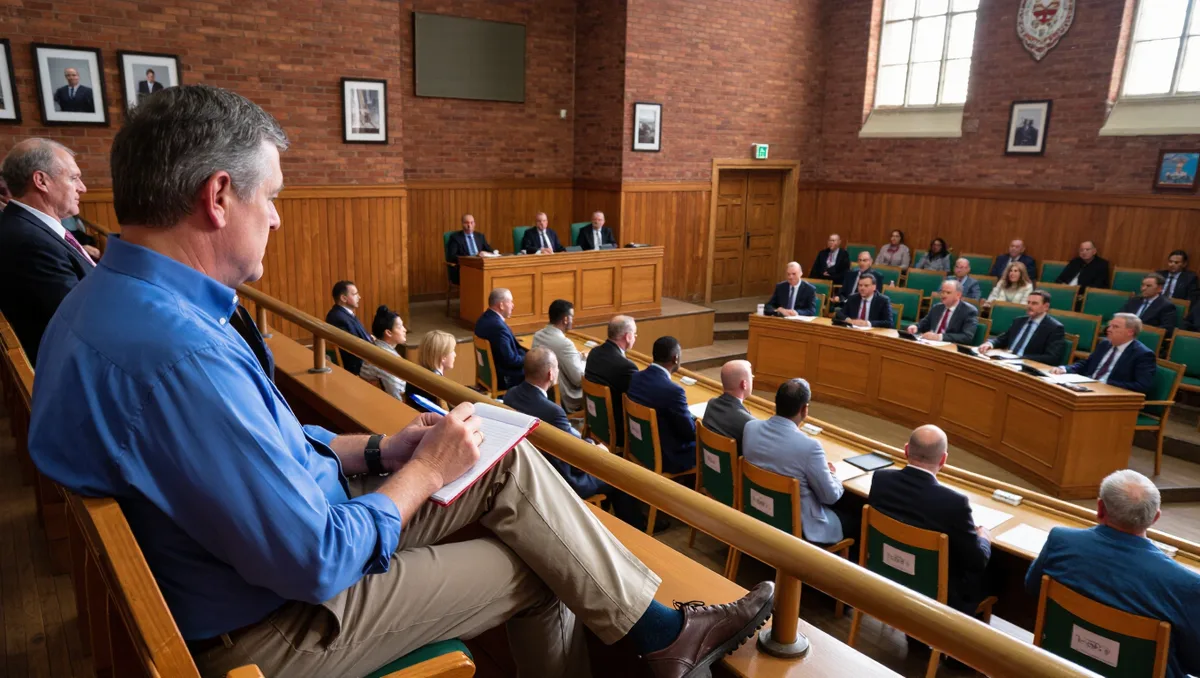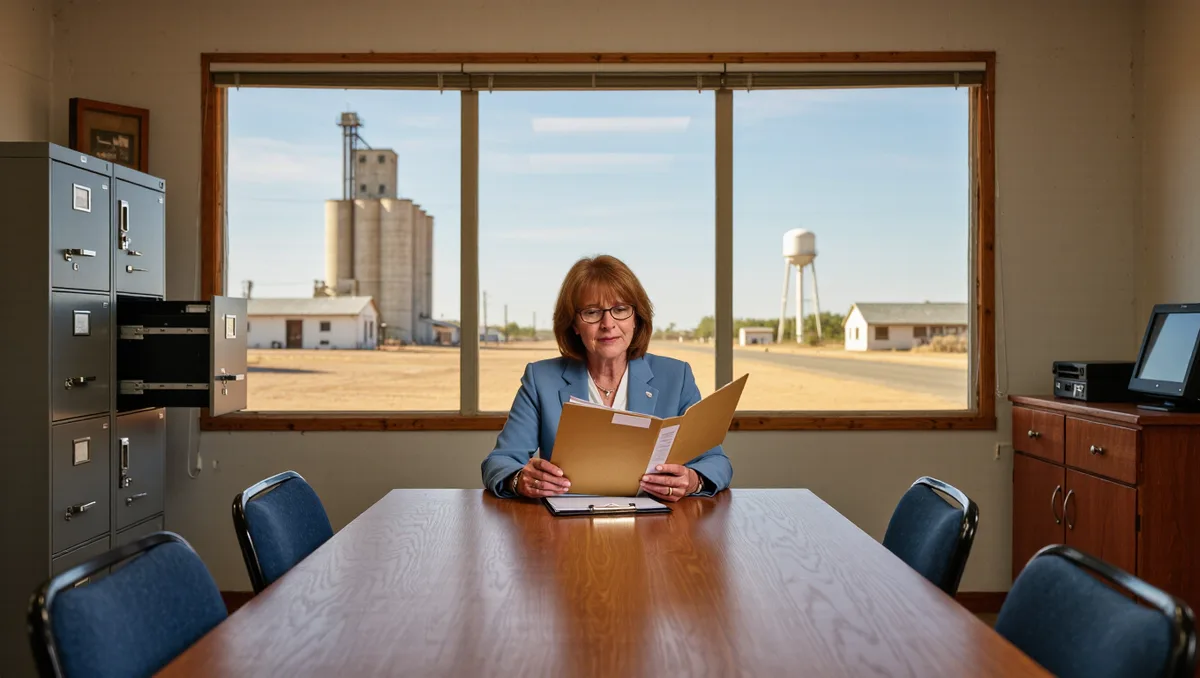
Argonia, Kansas, population a few hundred, put a woman in the mayor’s chair in 1887, decades before women could vote for president. Susanna Madora Salter won 66 percent of the vote on April 4 of that year, becoming the first woman mayor in the United States. The story of women mayors since then runs through filing cabinets, water rates, and town-hall meetings where the decorum matters as much as the votes.
Those meetings are local government at its most human, and the people who sit in the big chair shape how a town treats its own. The stories hub keeps a running file on leadership like that.
Leadership also travels. Kyoto recently adopted its first official motto, and the choice of a city motto says a lot about what towns want to signal, whether they sit in Japan or in Kansas.
How Did a Prank Nomination Make History?
It happened by accident. Kansas granted women the vote in municipal elections in February 1887. Weeks later, several Argonia men placed Salter’s name on the ticket as a joke, without her knowledge, expecting a loss. The local Woman’s Christian Temperance Union dropped its own candidate and voted for her instead, and she won by a two-thirds majority. The Kansas Historical Society notes that the 27-year-old knew more about politics than her doubters realized: her father had been the town’s first mayor.
She served one year for a salary of one dollar, by the account kept on her biographical record. A New York Sun correspondent watched her preside and reported that she ran the room with great decorum, cutting irrelevant discussion and showing herself a good parliamentarian. Publicity reached papers as far away as Sweden and South Africa. When the year ended, she declined to run again. She lived to 101, long enough to see the country argue about her legacy.
What Happened After Argonia?
The record of firsts grew town by town. An earlier race, in Oskaloosa, Iowa, in 1862, even sent a woman to the mayor’s office by vote, but Nancy Smith declined to serve. Doris Barnes led Wrangell, Alaska, starting in 1946. After the Nineteenth Amendment in 1920, Bertha Knight Landes became the first woman elected mayor of a city with more than 150,000 residents, winning Seattle’s top job in 1926. The documented list now runs state by state, decade by decade.
Who Are the Quiet Long-Servers?
Small towns reward staying power. Sue L. Glidewell won the mayor’s office in Rainbow City, Alabama, in 1980 and served six consecutive terms across 24 years before retiring in 2004. In Tuskegee, Alabama, Lucenia Williams Dunn became the city’s first woman mayor in 2000. Entries like these fill the national ledger of firsts: budgets, sewers, and school crossings, handled in public sessions where every neighbor is a constituent. Every name on it cleared the same bar: an election, a term, minutes kept in ink.
Why Does the Small-Town Record Matter?
Because it predates the famous ones. The mayoral firsts arrived before most statewide or congressional ones, and they arrived in towns too small to matter to party machines. The work itself is concrete: a gavel, a budget, an agenda, and a council that needs someone to keep discussion moving. Salter’s one-year term showed the skill set. Glidewell’s 24 years showed what happens when it becomes a career of public service close to home.
Conclusion: The Ledger Keeps Growing
From a one-dollar salary in Argonia to 24-year tenures in Alabama, the record of women who led small towns is long, checkable, and quietly radical. These were jobs won by plurality, held with decorum, and often left without ceremony. The profiles are worth reading precisely because they are ordinary: a town, a term, a meeting that ends on time. History rarely asks for more than that. This connects to our earlier piece, Real Stories of Women Who Changed Their Towns.