In 1978 in New York City, a group of older gay men and lesbians began organizing something the social-service world had never provided: community for LGBTQ people growing old. The organization they founded, today known simply as SAGE, is now the largest and oldest organization in the United States dedicated to LGBTQ+ elders. With funding from the New York City Department for the Aging and the City Council, SAGE went on to open the nation's first municipally funded LGBTQ senior center — a fact worth sitting with, because it means that until quite recently, the default assumption of American eldercare was that such elders did not exist.
The founding generation had reasons nobody had to explain to them. People who came of age before and just after Stonewall had lived through decades when their relationships were criminal, their jobs forfeit, their families often estranged — and then faced a final indignity: aging services built around straight widowhood. As SAGE's own leaders have described in interviews, including coverage by ABC7 New York, many LGBTQ older adults in mainstream senior settings hide their identities again, and some face bullying or hostility from staff and peers. Going back into the closet at 75, after a lifetime spent leaving it, is not a hypothetical fear; it is a documented reason organizations like SAGE exist.
What a SAGE center actually is
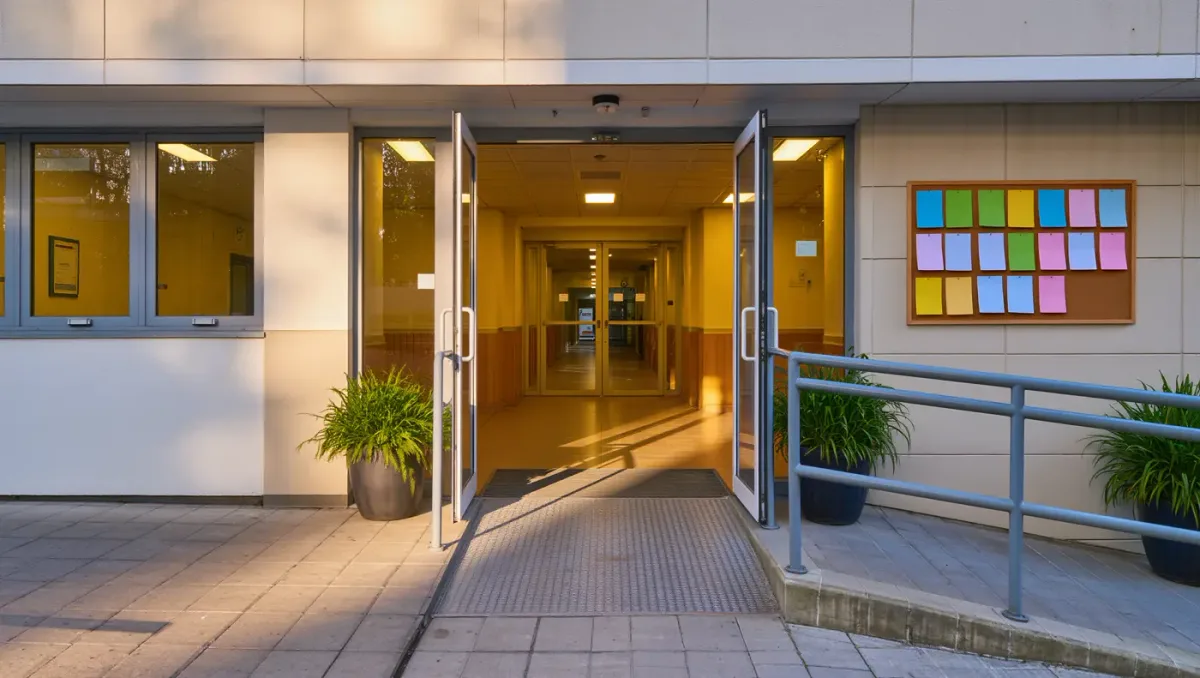
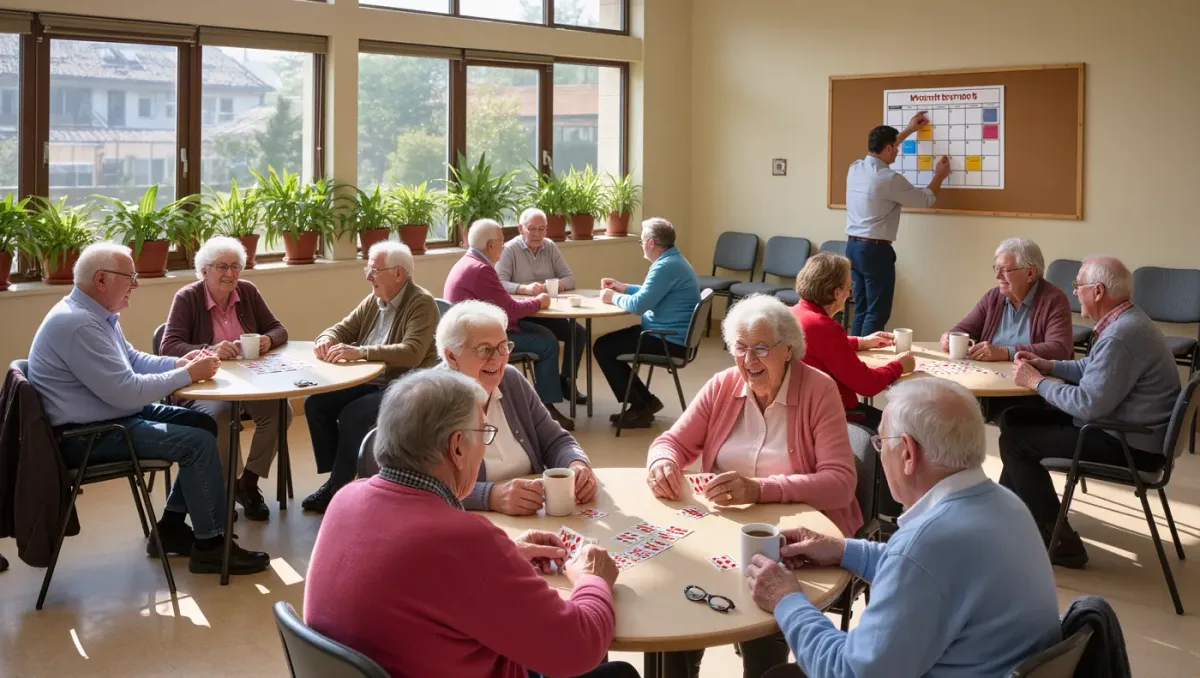
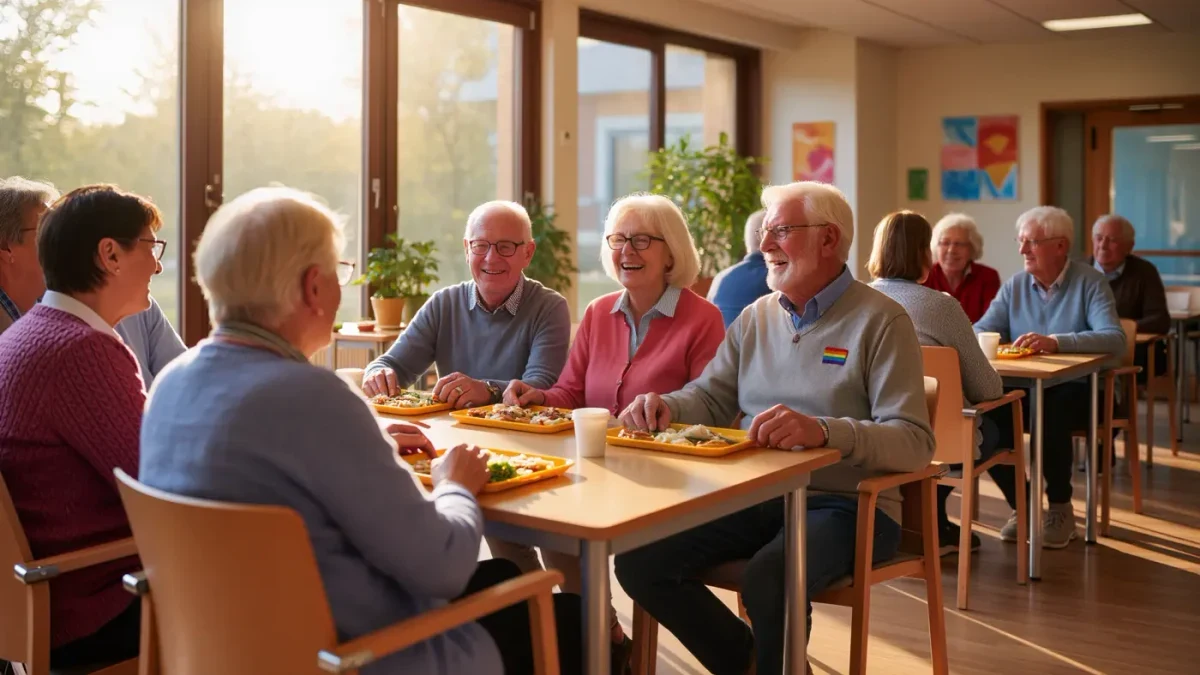
The organization's New York programs operate SAGE Centers across the city — in Chelsea, Harlem, the Bronx, Brooklyn and Staten Island — offering what senior centers everywhere offer, with one difference: nobody has to edit themselves at the door. Meals, fitness classes, art programs, case management, help with benefits and housing: the services are the standard infrastructure of aging, delivered in rooms where a spouse of forty years can be mentioned without calculation. SAGE describes its aim as helping LGBTQ+ older people live longer, happier, healthier lives — and the centers are the daily, unglamorous machinery of that aim.
There is also a national footprint beyond the centers. SAGE runs the country's only national LGBTQ elder hotline, advocates on policy from Social Security to housing discrimination, trains mainstream senior providers in LGBTQ cultural competency, and has built a national network of affiliated organizations — extending the model to states and cities that will never have a Chelsea of their own. The virtual platform SAGEYou, launched to reach elders who are homebound, rural or simply far from a center, carries the same logic onto screens.
Why elders, and why now
The demographic case wrote itself. The LGBTQ+ population in the United States is aging along with the baby boom; by SAGE's public estimates, millions of LGBTQ older adults are already navigating retirement, health care and long-term care, many with higher rates of isolation, poverty and chronic illness than their peers — the compounded interest of a lifetime of discrimination, plus the stubborn fact that many have no adult children defaulting into caregiving roles. Advocates have long argued that the community that invented "chosen family" now needs institutions that treat those families as real.
That is the quiet redesign inside a SAGE center. Intake forms ask about partners rather than assuming them. Caregiver support treats the person of thirty years standing as next of kin, because at these centers he is. Mealtime conversation does not require a decade of careful pronoun management. None of this is technologically difficult; it is simply different from what existed, and its absence is precisely why so many LGBTQ elders, in surveys and interviews over the years, have reported going back into hiding in conventional care.
The training work may ultimately matter more than the buildings. Every mainstream nursing home, home-care agency and meal program that SAGE's cultural-competency training reaches multiplies the number of places an LGBTQ elder can age without rehearsing a cover story — a scale no single organization's centers could match. In aging services, as in the rest of life, the deepest change is not a new room but an old room learning better questions.
The work ahead
SAGE's own framing is sober about limits. A handful of centers in one city, plus a national hotline and training programs, cannot by itself fix a long-term-care system where dignity still depends on geography and luck. The organization's leaders speak of the current generation of LGBTQ elders — the Stonewall generation — as both the reason for urgency and its clock: people who fought the first battles now aging into systems built without them.
But the daily evidence is on the pleasant side of history. On any weekday afternoon at a SAGE center in New York, there is a lunch where the veterans of decades of activism eat beside people who lost everything and rebuilt, and the conversation is about rent, grandchildren, the aches of the knees — the ordinary ledger of age, kept in rooms where ordinary was once impossible. Founded in 1978 by people told they would never grow old, SAGE now exists because they did.