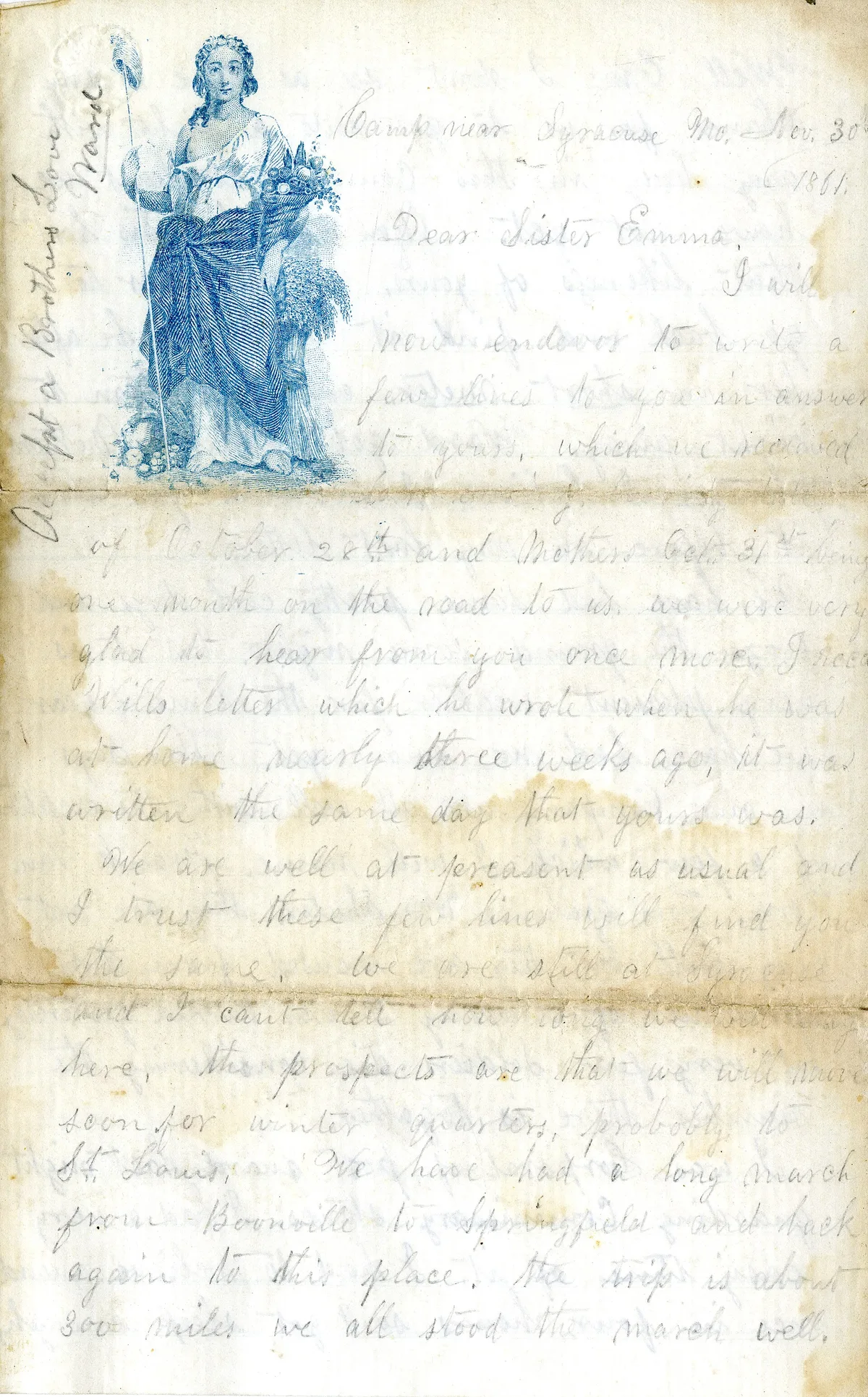
Search "stories about my brother" and you find something striking: thousands of writers, most of them beginners, reaching for the same first subject. Not a war. Not a lost love. A sibling. The person who knew them before anyone else did, and who is still easy to write about badly and hard to write about honestly.
That pull makes sense. Siblings are our first audience, our first rivals, and often our first witnesses. They show up in the earliest memories we have, which means they show up in the earliest stories we try to tell. This piece looks at why sibling stories work so well on the page, what the short-story form does for them, and how to write one without turning your brother into a cartoon.
Why do siblings make such good story material?
The short story is built for the kind of material a sibling gives you. According to Reedsy, short stories are brief works of prose fiction that focus on a single event, character, or theme, usually running from 1,000 to 7,000 words and meant to be read in one sitting. They keep the cast small and the backstory thin. That is exactly the shape of a sibling relationship: a small cast, a long shared history, and one moment that can stand in for all of it.
You don't need to explain twenty years of family dynamics. You need one scene. The night he covered for you. The day she stopped speaking to you. The car ride where nothing happened and everything changed. A short story can hold that single incident and let it carry the whole relationship, which is what Reedsy calls a "unified effect" — one mood, one impression, built to land hard and end.
What do the famous ones teach us?
The classics most of us met in school are, quietly, full of siblings and family. According to Spines, in its rundown of famous short stories everyone should read, Shirley Jackson's "The Lottery" works because a whole community treats a horrifying tradition with cheerful routine — and much of the horror comes from watching ordinary people, including family members, go along with it. Flannery O'Connor's "A Good Man Is Hard to Find" puts a family road trip at the center of a story critics still argue about. Kurt Vonnegut's "Harrison Bergeron" is barely a few pages of enforced sameness — and its rebel is a teenager whose parents watch everything happen on a television, unable to reach him.
What these stories share is what Spines calls memorable themes that stick: fear, love, guilt, identity, justice. Sibling stories live in that same territory. The brother in your story is never just your brother. He is the person through whom you first learned what fairness means, or what jealousy costs, or what loyalty looks like when it isn't convenient.
"Short stories don't have the luxury of slow build-up — every line matters." That is Spines' description of the form, and it is also good advice for writing about family: you already know each other, so skip the exposition and get to the moment.
How do you write one without flattening a real person?
Here is the trap. You sit down to write about your brother and you produce a character who is either a saint or a villain, because memory does that. The fix is the same one professional writers use: separate the person from the character. Write the scene, not the summary. A summary says "my brother was stubborn." A scene shows him refusing to leave the driveway until you admitted he was right — and you admitting it, and what that admission cost you both.
Practical steps that hold up across most writing advice:
- Pick one moment. Reedsy's guidance on the form is blunt about this: a single event, a small cast, minimal backstory. One afternoon beats a decade.
- Let him be contradictory. Real siblings are generous and petty in the same week. A character who is only one thing reads as fiction of the flattering kind.
- Decide who the story is for. If you plan to show it to him, that changes what you owe the page. Honesty and cruelty are not the same draft.
- Write the version only you could write. The specific detail — the way he ate cereal standing up, the song he played until you hated it — is worth more than any dramatic plot.
What this means for new writers
If you have never written fiction before, a sibling story is a low-stakes place to start, and the infrastructure for trying exists. Reedsy runs a weekly writing contest built on themed prompts, where writers of all backgrounds submit short fiction, get feedback, and return week after week to sharpen their craft. Some contributors there have gone on to publish full-length books based on stories they first submitted to the contest. The barrier is a prompt and a deadline, not an agent. Readers following this should also see How Reading Is Fundamental Put 430 Million Books Into Kids' Hands.
There is also a quieter case for writing these stories down. Families lose their details fast. The specific things — what your brother called the neighbor's dog, what he was wearing the year everything changed — survive only if someone records them. A short story is one way to do that recording, even a fictionalized one. The facts drift; the feeling stays accurate.
Our analysis, for what it is worth: the search term "stories about my brother" is really a search for permission. People want to know it is acceptable material. It is not only acceptable — it is where a huge share of lasting fiction starts, in classrooms and contests and kitchen tables, with a writer trying to get one real person onto the page before the details go.
Where to take it next
Read a handful of the classics first, not to imitate them but to see how much a few pages can hold. Then write your single scene. Keep it short, keep it specific, and resist the urge to explain what it all meant. If the story is any good, the meaning will be the part you didn't have to say.
Sibling stories sit inside a bigger truth about how we learn to care about people at all — the same current that runs through the profiles in our Stories section, from the Cincinnati barber who made haircuts possible for kids the chair rejected to the organization that put millions of books into kids' hands. The family is usually where the habit of attention begins. Writing about the person who shared your room is practice for noticing everyone else. We covered a connected angle in A Cincinnati Barber Made Haircuts Possible for Kids the Chair Rejected.