Society
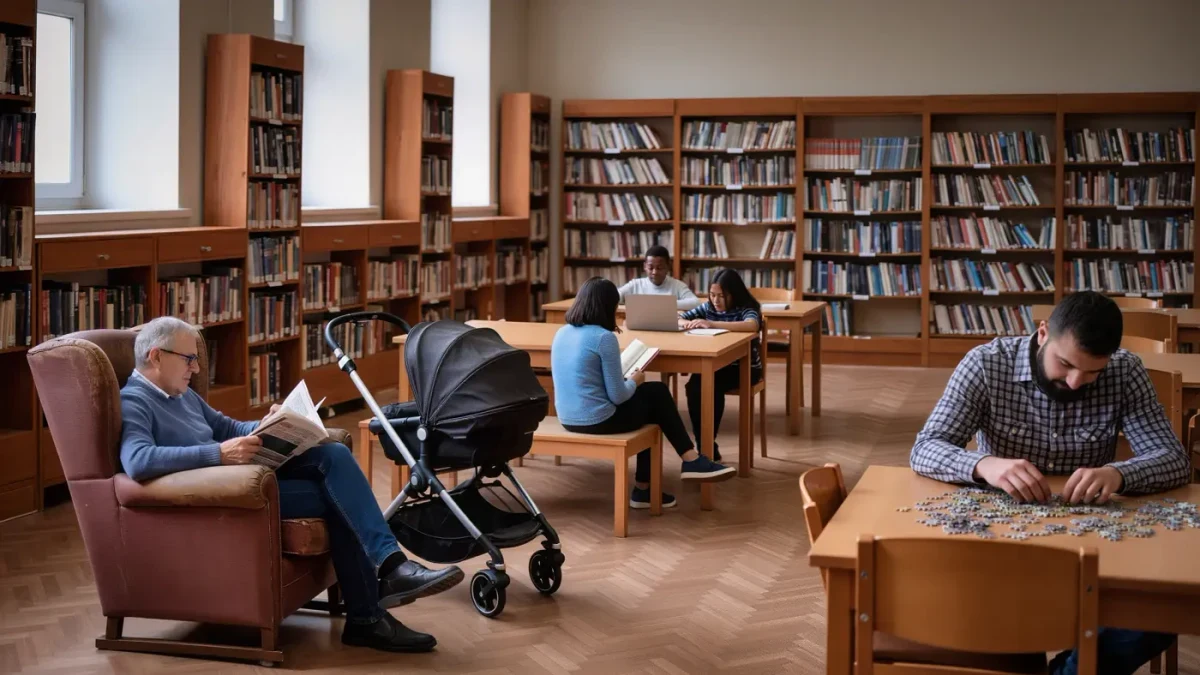
Public Libraries Are the Last Real Third Places Left
Sociologist Ray Oldenburg named the informal gathering spots between home and work; in most American towns, only the library still plays the role on equal terms.
Society covers the conditions shaping belonging: what housing costs and who gets displaced, how families are formed and supported, the place of faith in public life, and the expectations people carry from where they grew up. Written through individuals rather than trend pieces, for readers curious about their neighbors.
Reporting on the conditions deciding who feels at home somewhere: housing costs, family structures, religious life and shifting social expectations.
Sociologist Ray Oldenburg named the informal gathering spots between home and work; in most American towns, only the library still plays the role on equal terms.

Companies kept the shorter week, revenue held steady and burnout fell — but the pilots have edges worth reading before you declare the debate settled.
In 1975 America extended the Voting Rights Act to language, ruling that a citizen who cannot read a ballot cannot fully cast one.
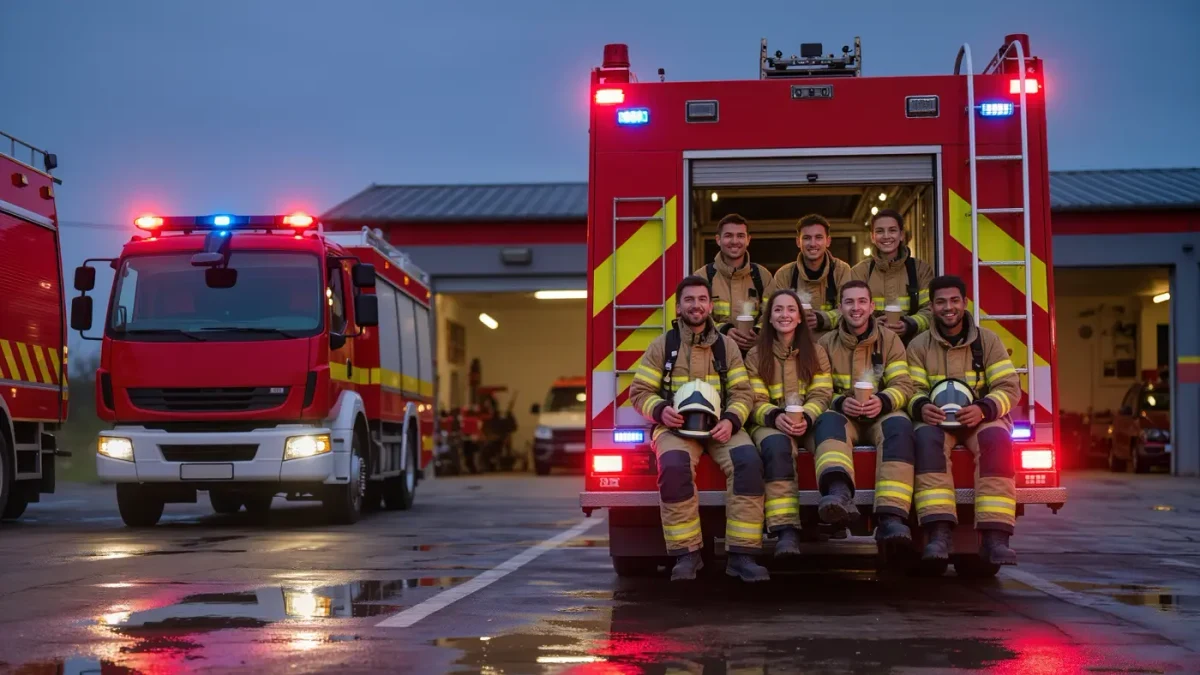
Roughly two-thirds of American firefighters are unpaid, and the departments that depend on them are watching their rosters thin year after year.
More than a dozen states now run paid family leave programs, while federal law still guarantees only unpaid time — here is the map and what it means for workers.
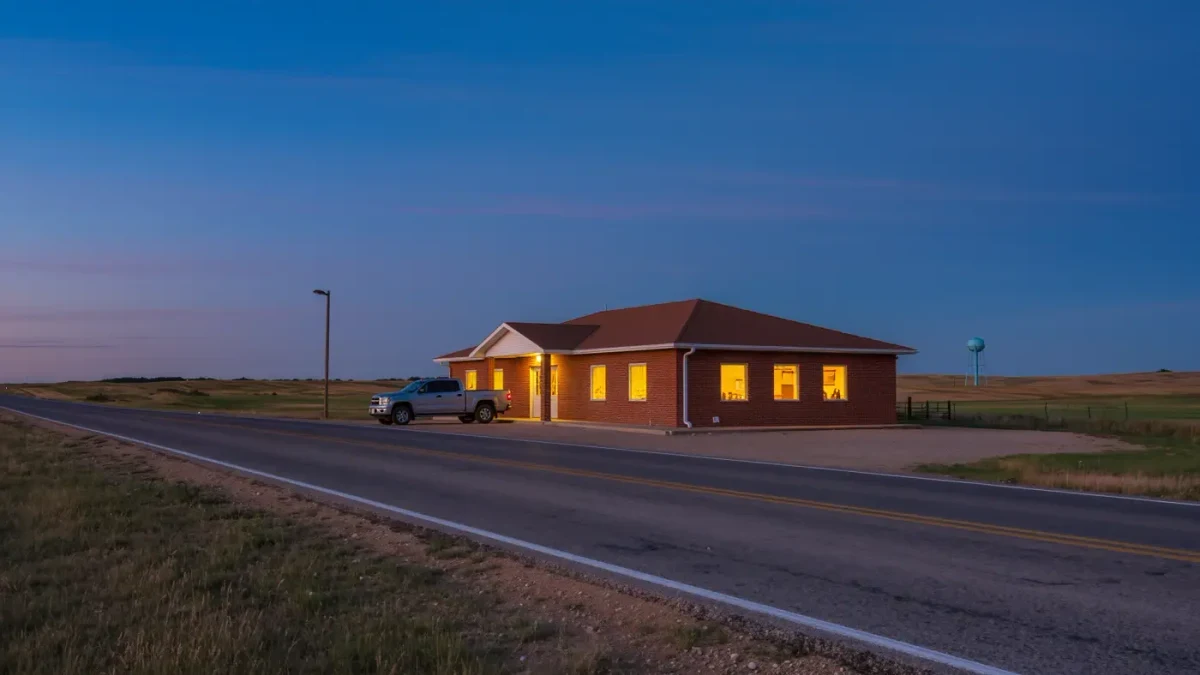
In counties where the internet ends at the town line, the public library has quietly become the place people go to file, apply, study and belong.