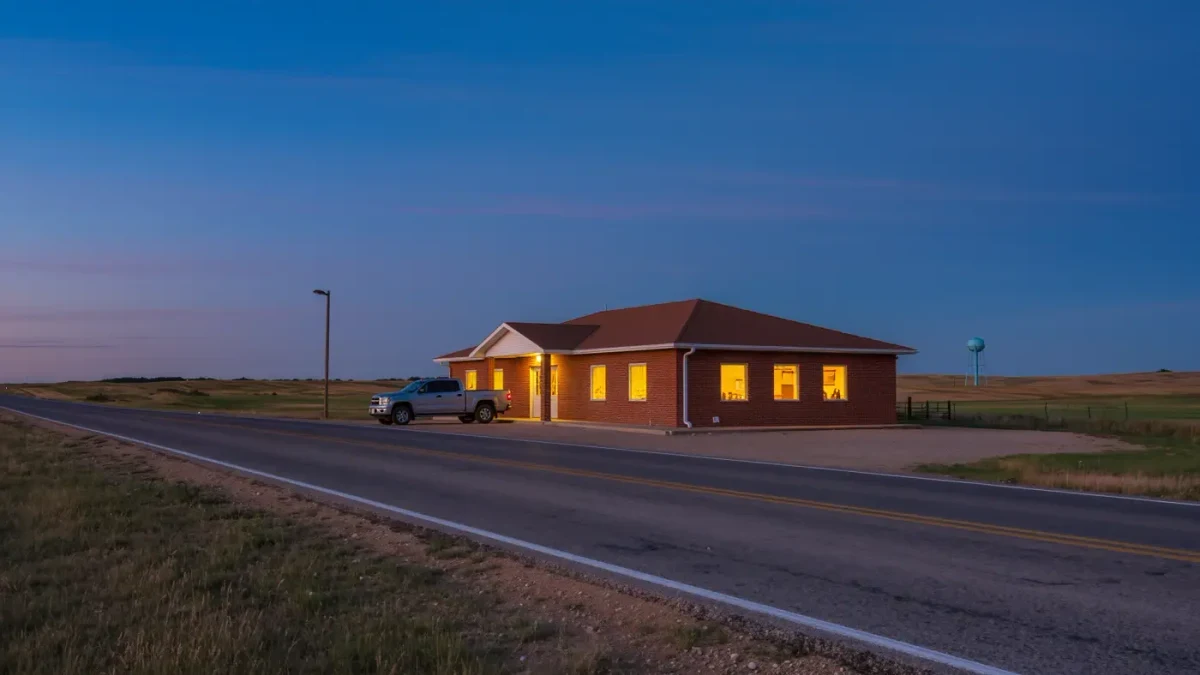
In many rural counties, the fastest internet connection in ten miles sits inside a building that lends books. The federal government's own mapping has long shown large stretches of rural America without broadband that meets its speed benchmark, and surveys by the Institute of Museum and Library Services have found that a substantial share of rural libraries are among the few public internet access points their communities have.
How big is the rural gap?
Definitions matter, but the shape of the problem is consistent. Federal Communications Commission maps, even after years of criticism for overstating coverage, have continued to show millions of Americans — disproportionately in rural areas, tribal lands and parts of the South — without fixed broadband at benchmark speeds. Independent measurement projects have generally found the real number larger than the official one.
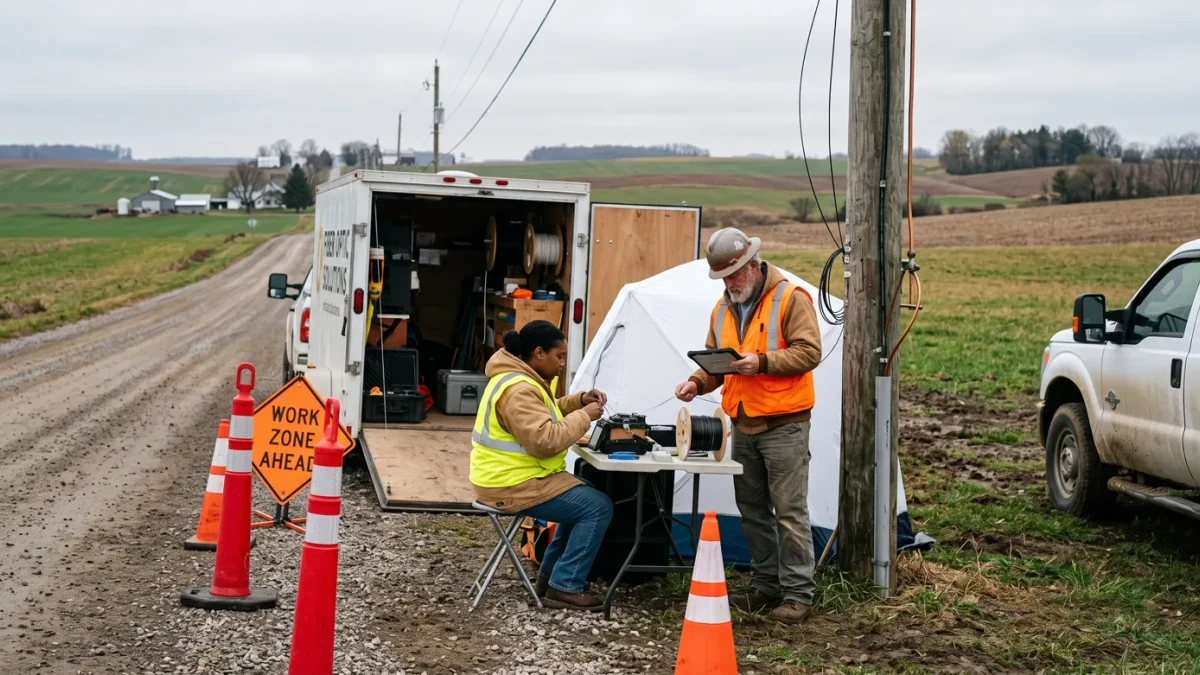
The reasons are physical and financial. Low population density means fewer subscribers per mile of fiber, so private providers deprioritize the roads that need it most. Mountain terrain and long distances from central offices raise the cost further. Where the market stops, the connection doesn't get slower — it stops existing.
What do libraries actually provide?
More than a signal. Rural library directors describe a daily rhythm that has little to do with the reference desk of the last century:
- Application stations, where people file for unemployment, Medicaid and farm program benefits that moved online-only.
- Homework and telehealth space, quiet corners where students attend virtual classes and seniors join remote clinic visits.
- Device lending — hotspots — hotspots and tablets that extend the library's connection into homes for weeks at a time.
- Digital skills help, often one-on-one, from setting up an email account to spotting a phishing scam aimed at a farmer's bank details.
None of that appears on a broadband map. All of it appears in the daybook of a small-town librarian.
Why did the burden land on libraries?
Because they are the last institution with a door open to everyone and no appointment required. When state and federal services moved to web-first delivery, the assumption was that households had access. In towns without coverage, that assumption quietly transferred the work of digital inclusion onto the nearest public building — usually the library.
Librarians accepted it the way they accept most things: by solving the problem in front of them. The E-Rate program, which subsidizes library and school connectivity, helps pay for the pipe, though it historically covered the building's connection rather than lending programs that extend service beyond the walls.
What does a strong program look like?
The systems that carry the gap best treat internet access as a service, not an amenity. Their lending programs have clear rules — a hotspot per household, renewable loans, a waitlist when demand outruns devices — and staff who explain the fine print, like the coverage maps that decide whether a hotspot works at a given farmhouse. Their hours are set around the schedules of working patrons, including evenings during tax season and school enrollment windows.
Partnerships do quiet heavy lifting. School districts lend devices through the library in the summer; hospitals refer telehealth patients to the front desk for connection help; extension offices run digital skills sessions in the meeting room. A library that coordinates with even two or three local institutions stretches one building into a network, and in a county without broadband, that network is often the only public layer there is.
What is being done about the gap itself?
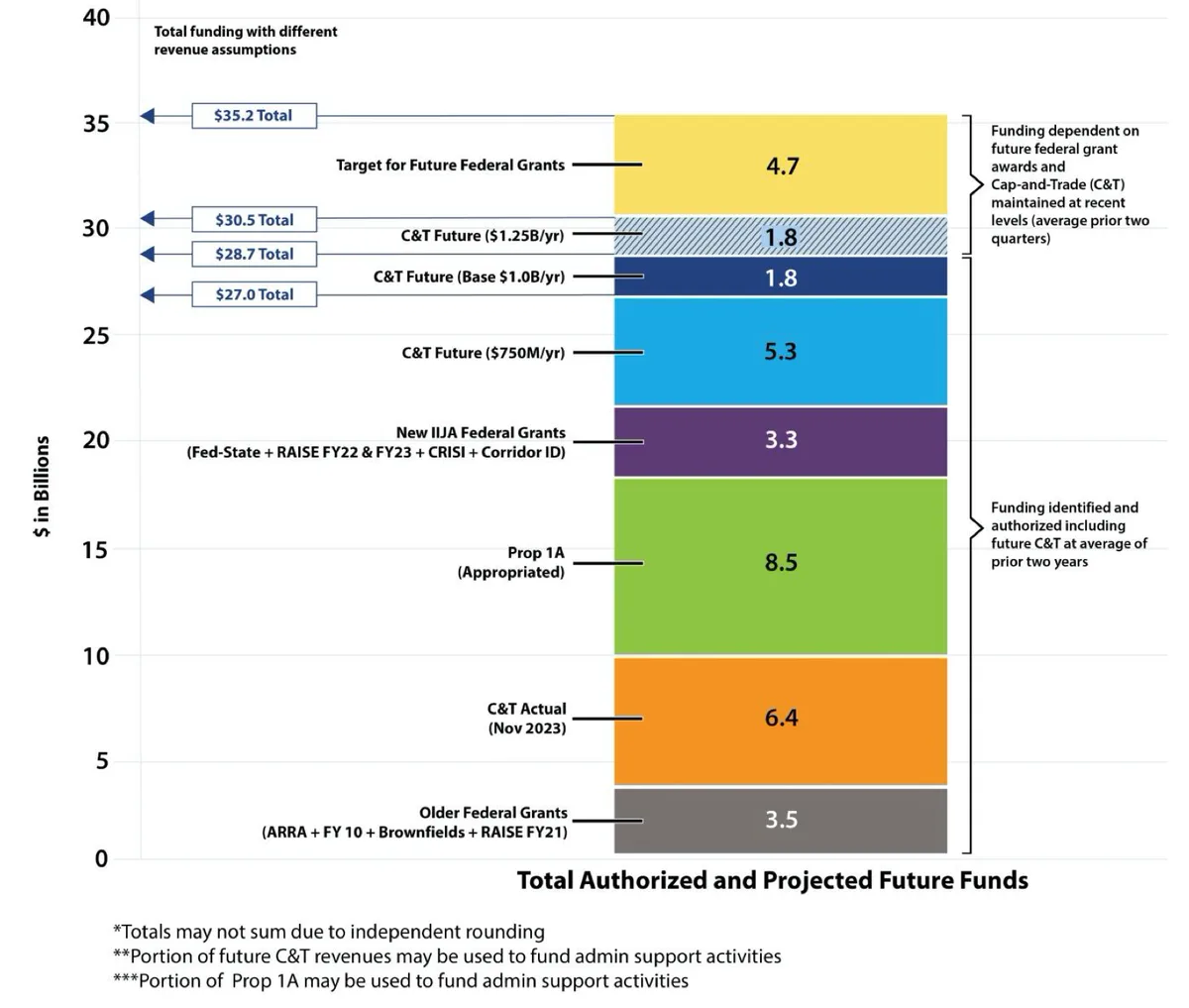
The largest response is the federal Broadband Equity, Access and Deployment program, created in 2021 with roughly $42 billion to build out unserved and underserved areas. States received allocation notices in 2024 and have been planning and beginning to award grants since, with construction timelines stretching across years.
Advocates for rural communities have raised two concerns worth watching: whether the maps guiding the money are accurate enough to reach the truly unserved, and whether affordability programs keep pace — a connection that exists but costs too much leaves the library just as busy as before.
What does a library-centered workaround cost a town?
It costs hours. People drive distances, wait for terminals and structure their days around the library's open hours, which in small systems may be part-time. A farmer applying for a deadline-bound program, a shift worker filing taxes, a student with evening assignments — all of them spend time commuting to a connection that urban households use from a couch.
That time is a tax, paid by people who can least afford it. The broadband gap is usually measured in megabits, but its daily unit is the drive to town.
Can libraries keep carrying it?
They carry it unevenly. Rural library systems report tight budgets, staffing shortages and aging buildings, and hotspot lending programs have depended heavily on temporary federal pandemic-era funding that has largely wound down. Some systems have kept lending going through state grants; others have returned equipment.
Meanwhile the demand keeps widening, because more of ordinary life — court paperwork, job applications, insurance portals — assumes a connection. The library's role grows even as its funding does not.
What actually closes the gap?
Buildout programs like BEAD, honestly mapped and fully spent, address supply. Subsidies for monthly bills address affordability. And the institutions that hold the whole thing together in the meantime — the libraries — need operating support, not just applause.
Towns that treat the library as temporary infrastructure tend to be disappointed, because the temporary keeps extending. The wiser position is the librarian's: keep the door open, keep the signal strong, and keep a chair by the window for whoever drives in next.