The Greenbrier Historical Society is now one of 64 West Virginia organizations in the inaugural Claude Worthington Benedum Foundation Culture Collective, a statewide initiative supporting groups that provide arts, culture, and heritage experiences. The Foundation selected the society in 2025 for its commitment to educational initiatives serving the Greenbrier County community, according to The Real WV. Those 64 organizations received grant funding between 2022 and 2026, totaling more than $1.8 million.
For anyone running a small museum, a heritage group, or a community program, the Greenbrier story reads less like an award announcement and more like a checklist. The society did not land in the collective by accident. It built the kind of work foundations look for, then kept showing up. Here is what the record shows, and how other local groups can follow the same path.
Before the how-to, a note on why it matters. Society coverage often treats cultural funding as background noise. It is not. When a foundation commits five more years of grantmaking to a state's cultural organizations, that decision shapes what a town's kids learn, what buildings get saved, and which stories get told.
What did the Greenbrier Historical Society actually do?
Start with the work itself. The society describes its mission as community enrichment through the education and preservation of the diverse history and culture of the Greenbrier and Meadow River Valleys. It runs museum exhibits, educational programming, community outreach, and preservation initiatives. In its recognition announcement, the society framed its goal plainly: making local history accessible, engaging, and meaningful to the communities it serves.
That is the first lesson. The society could name what it does in one sentence, and every activity it listed connected back to that sentence. A group that cannot describe its own work that clearly will struggle to explain it to a funder.
How did the recognition come together?
The timeline matters. The Benedum Foundation selected GHS in 2025. The grants behind the collective flowed between 2022 and 2026. That means the society's relationship with the Foundation was built over years, not weeks. Recognition followed funding; funding followed programming.
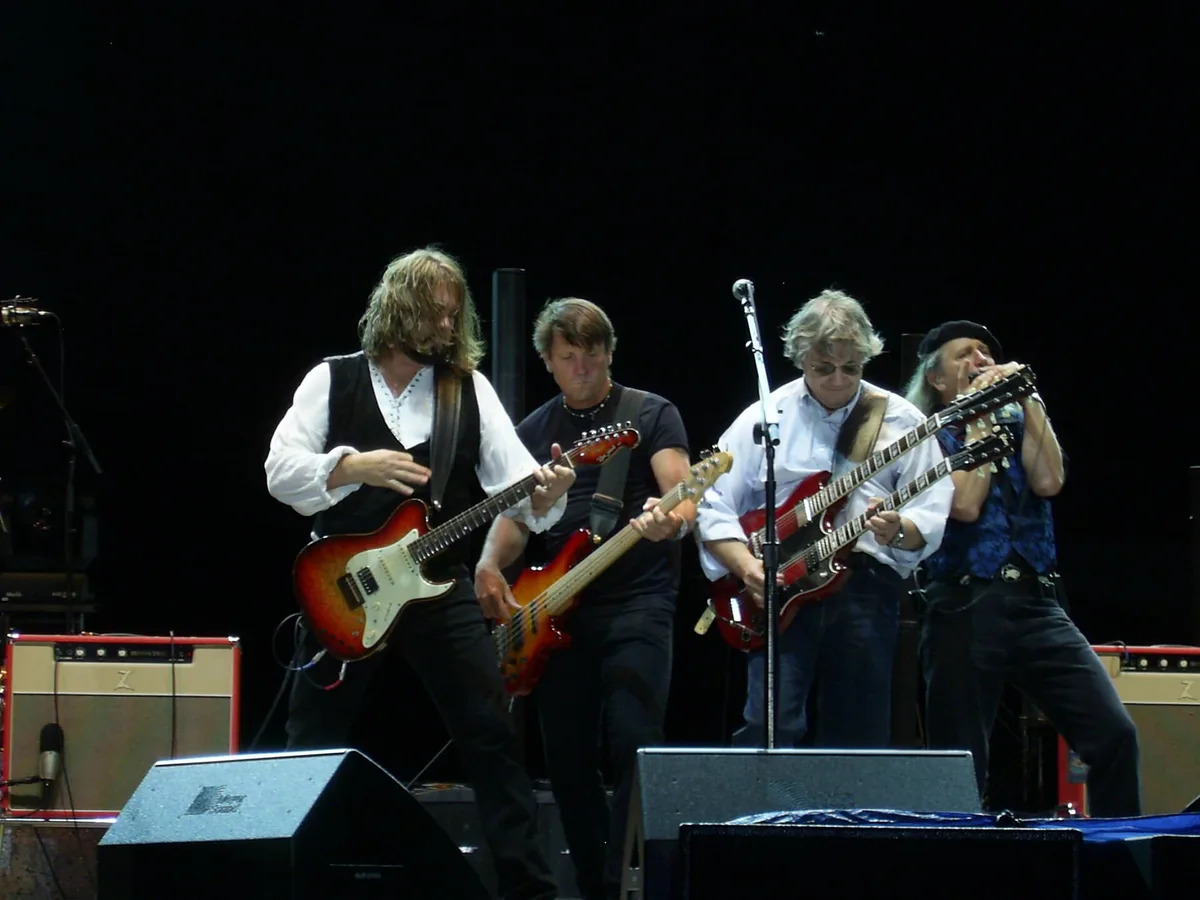
The public moment came on September 14, 2026, when GHS Board Member and Hidden History Project Chairperson Janice Cooley and GHS AmeriCorps Hidden History Associate Vicky Neal attended a Benedum Culture Collective luncheon at the Keith-Albee Performing Arts Center in Huntington. More than 115 guests representing organizations from across the state joined them. The Mountain Stage Band, itself a collective member, performed.
Notice who went: a board volunteer and an AmeriCorps associate, not just staff leadership. Small organizations win when they bring the people who actually do the work. The event was designed for exchanging ideas and building connections — the unglamorous networking that turns one grant into a lasting relationship. For related coverage, see Women Mayors — Women Who Run Small Towns: Profiles in Quiet Leadership.
What did the Foundation say about why this work counts?
At the luncheon, Benedum Foundation Board Chair Tom Heywood announced an additional five years of special grantmaking in West Virginia. Foundation president Jennifer Giovannitti put the case in words worth keeping on a sticky note: "Arts, culture, and heritage are not extras; they are essential." She continued: "Cultural initiatives like fairs, festivals, local museums, and professional musical performances preserve our heritage, create economic vitality, and make communities special places to live."
For a local group drafting its own case for support, that quote is a template. It ties cultural work to three concrete outcomes: heritage preserved, economic vitality, and community quality of life. Groups that make the same three-part argument in plain language give funders exactly what funders need to say yes.
What can your organization take from this?
A practical read of the Greenbrier record suggests a short list:
- Do the educational work first. The Foundation cited GHS's commitment to educational initiatives serving its county. Programming came before recognition.
- Say what you do in one sentence. The society's mission statement covers a defined region — the Greenbrier and Meadow River Valleys — and a defined purpose.
- Build connections at gatherings. The Huntington luncheon existed so 115-plus people could exchange ideas. Showing up with the right two people, as GHS did with Cooley and Neal, turns an invitation into a network.
- Document everything. The society's announcement credited its own outreach liaison, Lisa Coburn, and framed the recognition as reinforcement of ongoing work — evidence of an organization that keeps its own record straight.
- Watch for the next window. With five more years of special grantmaking announced, organizations across West Virginia now have a stated runway to build toward.
Where does the Greenbrier story go from here?
The evidence establishes what has happened: recognition, a luncheon, and a renewed funding commitment. What remains open is how the society uses its seat in the collective. Its own announcement points the direction — preserving and sharing the stories, places, and traditions that help define Greenbrier County. Groups elsewhere can study the same pattern: name the mission, do the visible work, bring your doers, and stay in the room. Communities that want to see how local leadership compounds over years can look at how women who changed their towns built the same way, one program at a time. This connects to our earlier piece, Inspiring Women Stories: Real Stories of Women Who Changed Their Towns.