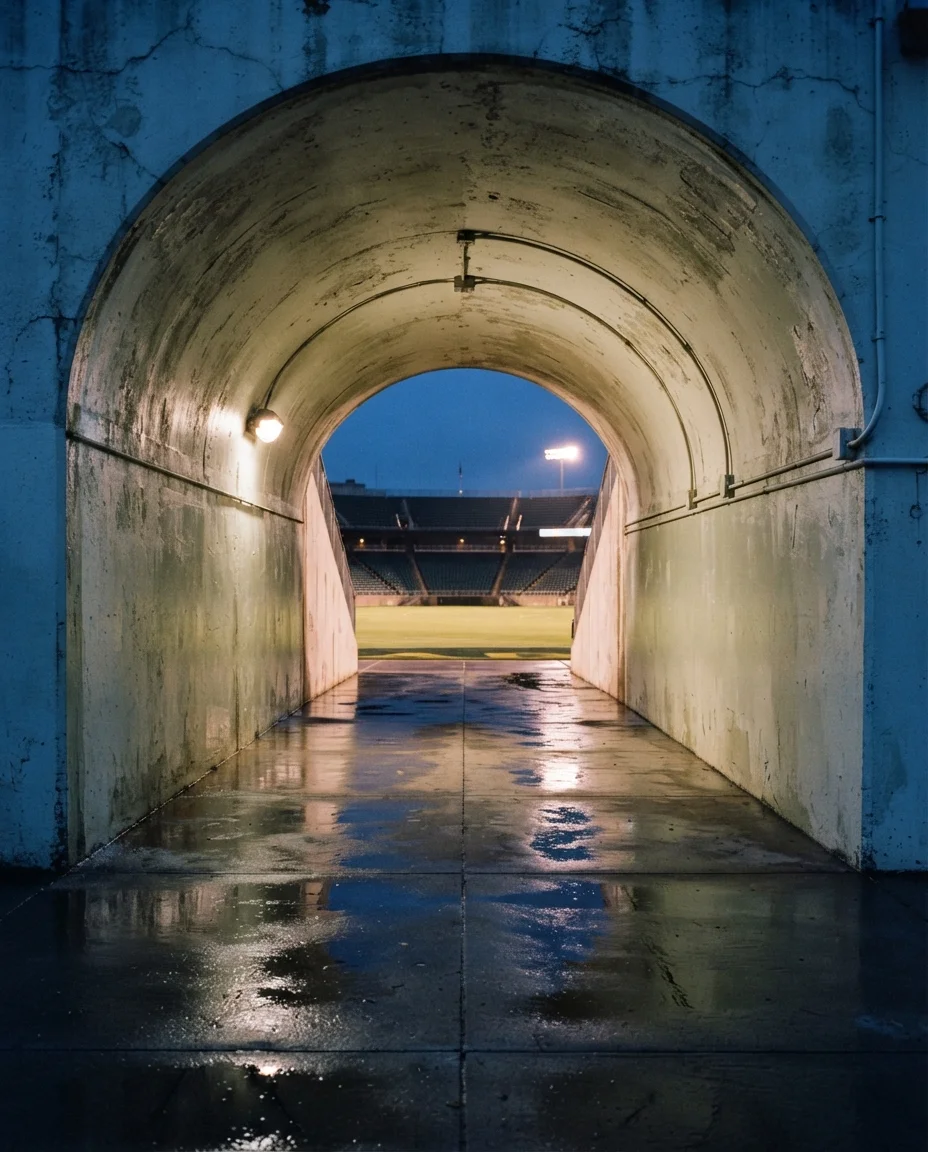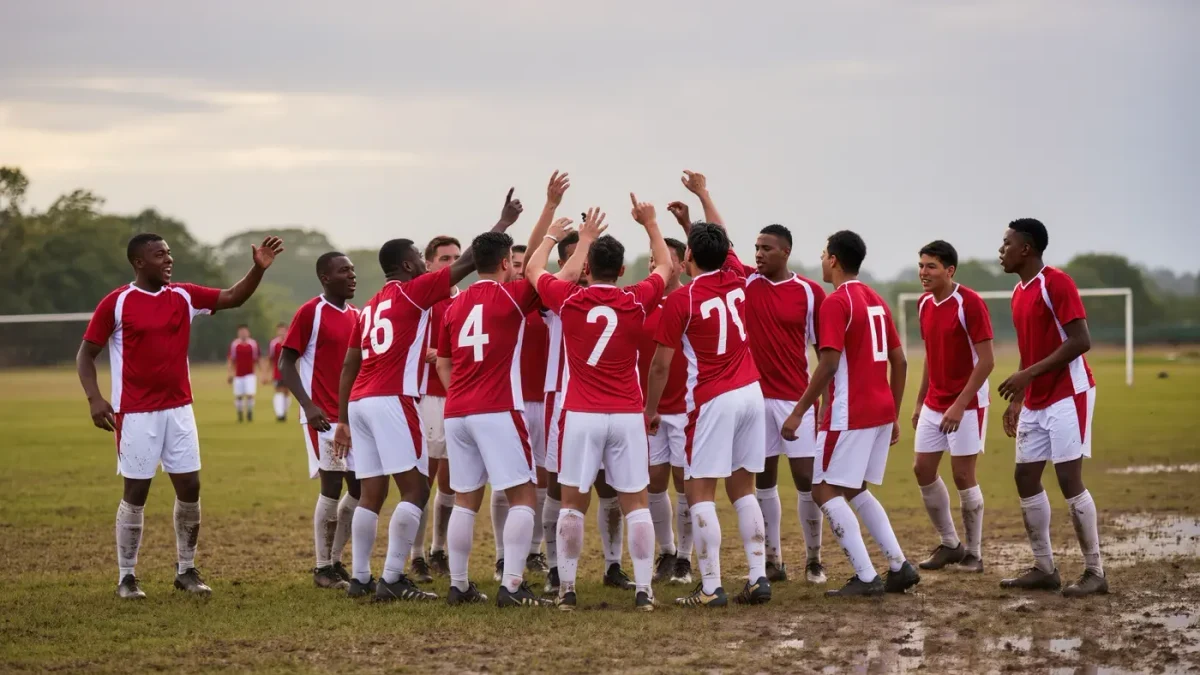
In Oxford, England, a football club founded in 2021 by Youcefel Barhdadi marked a milestone in the 2024–25 season: its first ever campaign inside the English football pyramid, four years after it began. What makes Oxford Phoenix FC unusual is not the climb itself but the squad — the club is made up solely of refugees and asylum seekers, newly arrived people for whom a Saturday fixture list became, in the BBC's reporting, something genuinely "uplifting": a team, a place, a reason to be somewhere on time.
The club grew out of a need its founder saw directly. Barhdadi, himself a refugee, recognized what settlement statistics record only in the abstract — that newcomers to a city often face isolation, interrupted lives and, for many, the mental weight of what they fled. Football, played seriously and organized properly, offered a structure the asylum system does not: training sessions, teammates, a league table. The club affiliated with Oxford United in the Community, the professional club's charitable arm, which runs the Phoenix as part of its community programmes.
Why a team, and not a program
Refugee integration efforts often arrive as services — language classes, counseling, job clubs, each valuable, each defined by what a newcomer lacks. A football club inverts the frame. On the pitch nobody is a case; everyone is a left back or a striker, judged on touch and work rate like any other player. Players told the BBC that the club helps them make friends and cope with past trauma — their words for what the structure quietly does: a training schedule imposes rhythm on disrupted lives, teammates become the first local friends, and a match gives the week a shape and a stake.
Active Oxfordshire, the county sports partnership, profiled the club under the heading of home, identity and healing — three things an asylum process is poor at providing and a dressing room supplies almost by accident. Membership spans countries and conflicts; players arrive from Eritrea, Afghanistan, Syria, Sudan and elsewhere, and the common language is often just football itself, learned through repetition the way any player learns patterns of play.
The pyramid, and what it certifies
English football's "pyramid" is the vast league system that runs from the Premier League down through dozens of regional tiers, and entry into it is a form of belonging more profound than it sounds. To play in the pyramid, a club must be formally constituted, affiliated, disciplined, registered — folded into the administrative body of a national institution. For Oxford Phoenix, taking a league place meant refugees and asylum seekers became, on paper and on grass, ordinary English footballers subject to the same fixtures, fines and cup draws as every village side in Oxfordshire.
The BBC's coverage of that first season carried the practical texture of it: the players balancing shifts, bus routes and, for some, the uncertainty of asylum cases with Saturday obligations to teammates. The club's profile rose with results, and its story traveled — part of a wider documented pattern in which football programs for displaced people, from UNHCR-backed projects around the world to local refugee sides across Britain, show the same effects on mental health and belonging.
There is a detail from the coverage worth holding onto. Many Phoenix players arrive carrying the ordinary ambitions of any young footballer — fitness, form, a regular starting spot — alongside the extraordinary fact of having survived the journeys that brought them. The club does not ask members to perform their trauma for sympathy or explain their asylum cases to teammates; the price of entry is boots and showing up on Tuesday. In a public conversation that often discusses refugees as statistics or controversies, a league fixture is a rare venue where a newcomer is simply, unremarkably, a local player.
A model, with caveats
The Phoenix is not a resettlement policy, and its founders do not claim to be one. A club can absorb a few dozen players; a city receives newcomers by the thousand. What the model demonstrates is narrower and still important: that sport, organized with real stakes, reaches people that services struggle to reach, and that the fastest route to feeling local can be owing something to a teammate. The club's continued existence — through volunteer coaches, affiliation support and players who arrive with almost nothing — depends on the same fragile generosity as most grassroots football, plus a bit more.
But on matchday the caveats dissolve into the ordinary miracle of the thing: a team of men who between them crossed deserts, seas and borders, wearing one crest, arguing with a referee in a language most of them are still learning. Four years after a handful of them started kicking a ball around an Oxford park, the league table simply lists them, alphabetically, with everyone else. That is the whole victory. Nobody there needs it explained.